34 Wolf Mullet Haircut Styles for Men and Women (2026 Guide)
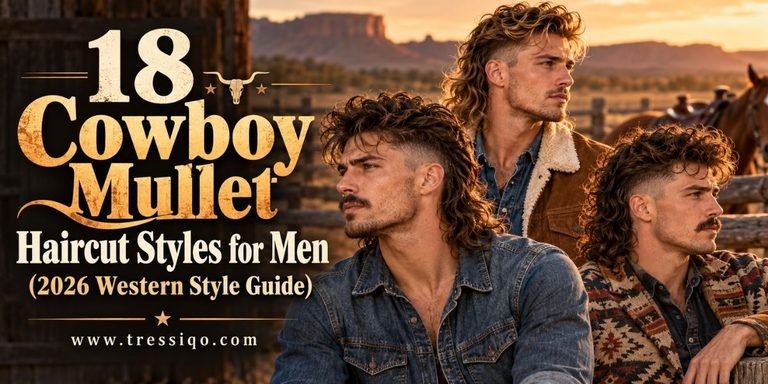
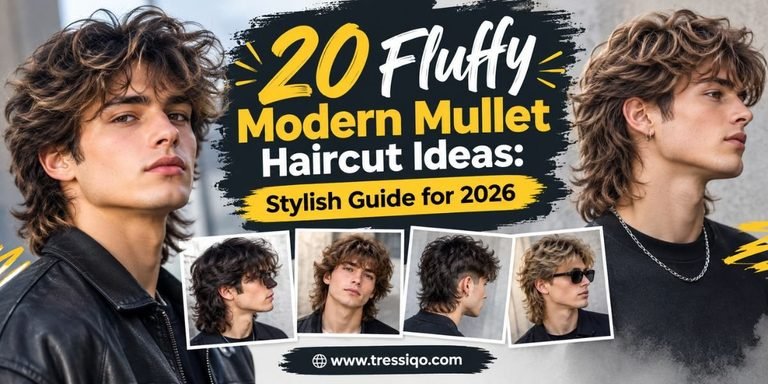
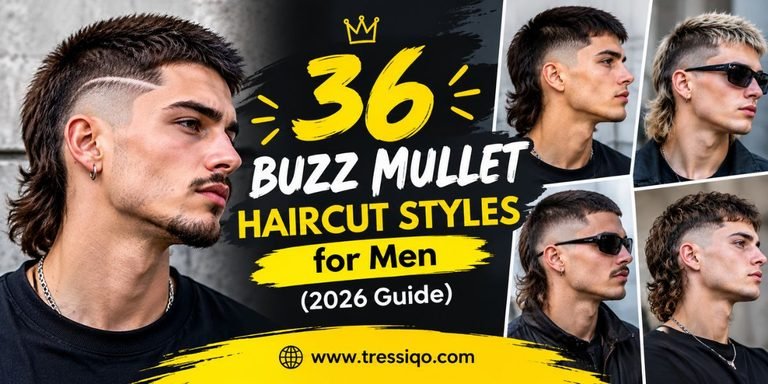
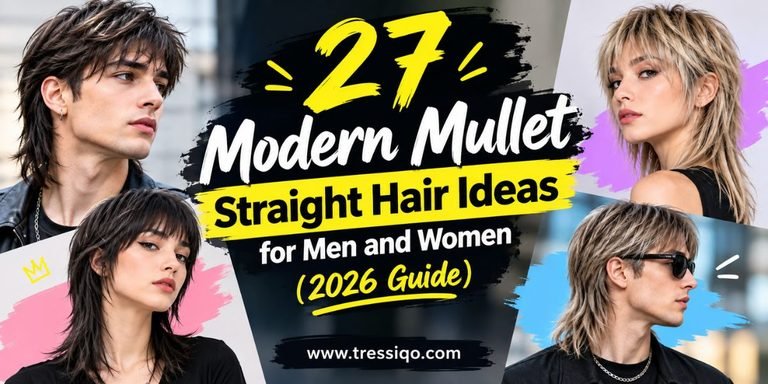
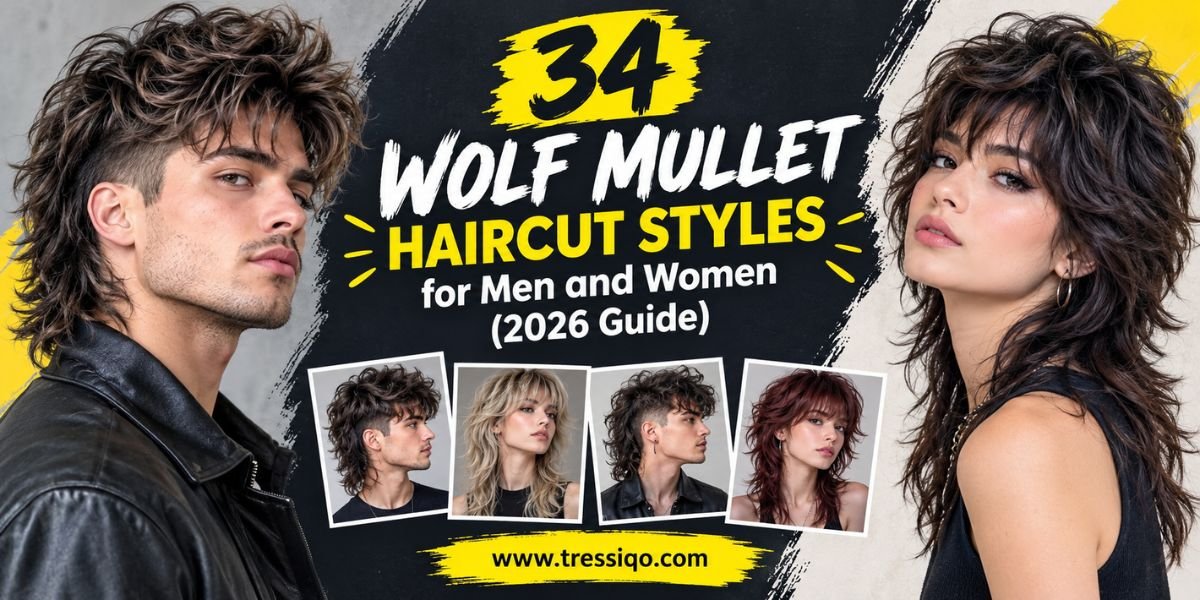
The wolf mullet haircut mixes the shaggy choppy layers of a wolf cut with the short-top, longer-back shape of a classic mullet. It looks messy on purpose. That’s the whole point.
The wolf cut mullet has exploded since social media got hold of it. This wolf mullet 2026 guide covers 34 styles, face shape matches, styling steps, and exactly what to tell your stylist. For the basics of the cut, see our modern mullet haircut guide.
You’ll also find honest notes on upkeep. Some of these cuts need a trim every three weeks, and nobody should find that out after the fact.
The Rise of the Wolf Mullet Aesthetic
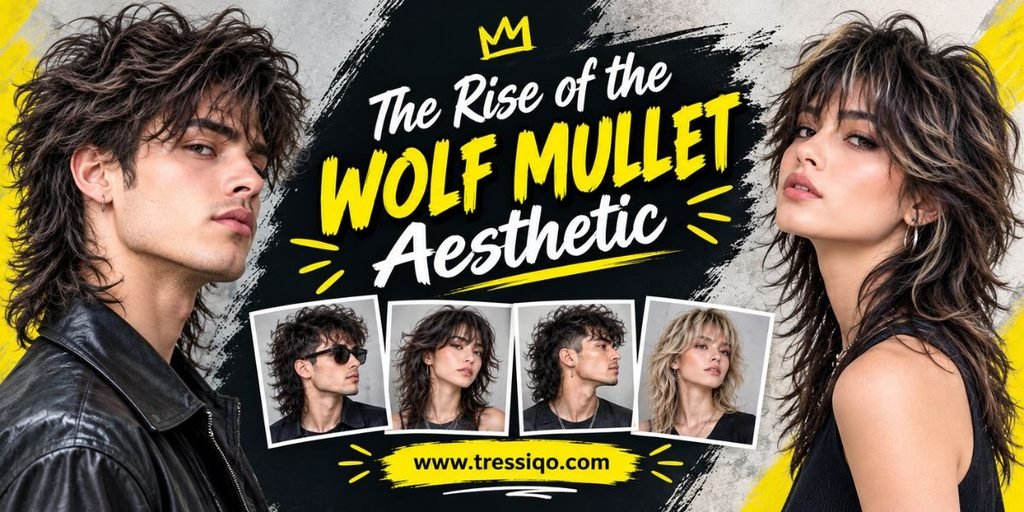
The wolf mullet is trending because it looks effortless, photographs well, and fits almost any hair texture. Social media did the rest. Millions of people watched stylists turn flat hair into natural movement hair in under an hour.
The TikTok hair trend started with short clips of dramatic before-and-after cuts. Then the Instagram hair trend took over, with reels showing every angle. People saw the back view, the side view, and the messy morning-after view.
The cut also broke old rules. It’s a unisex mullet haircut, so wolf mullet for men and wolf mullet for women searches climb side by side. Barbers and salon stylists now cut it the same way and customize it afterward.
34 Wolf Mullet Haircut Styles You Need to See
These styles fall into a few families: length and layers, fringe and sides, color, hair type, and attitude. Skim for the one that matches your hair, then bring photos to your appointment.
Classic Wolf Mullet Balance

The classic wolf mullet balances crown volume with moderate length at the back. It’s the safest starting point if you’ve never worn a mullet. Evenly spaced layers keep the transition smooth.
It works at the office and on weekends. Ask for medium contrast between the top and the nape. You’ll get a timeless shape that doesn’t scream for attention.
Soft Layered Wolf Mullet

The soft layered wolf mullet uses blended, soft feathered layers instead of sharp steps. The contrast between top and back stays gentle. You can wear it down all day without it feeling dramatic.
It suits anyone dipping a toe into the trend. Styling takes about two minutes. A little cream and a quick finger-comb finish the job.
Short Textured Wolf Mullet
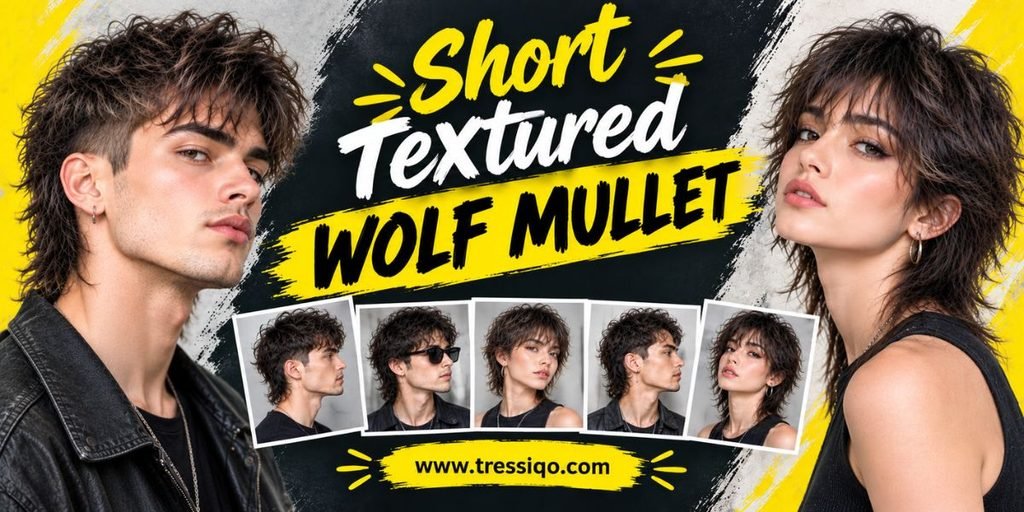
The short textured wolf mullet keeps the back just past the collar. The top stays choppy and light. You still get the signature shape without the length.
It dries fast and tucks under a hat. Texture does the heavy lifting here. Skip heavy products, since short layers flop when you weigh them down.
Long Flowing Wolf Mullet

The long flowing wolf mullet keeps short layers on top and lets the back fall past the shoulders. The contrast creates a dramatic silhouette. It moves beautifully when you walk.
However, long lengths tangle more. Use a wide-tooth comb and a leave-in conditioner. Book a dusting trim every two months so the ends stay healthy.
Curly Volume Wolf Mullet
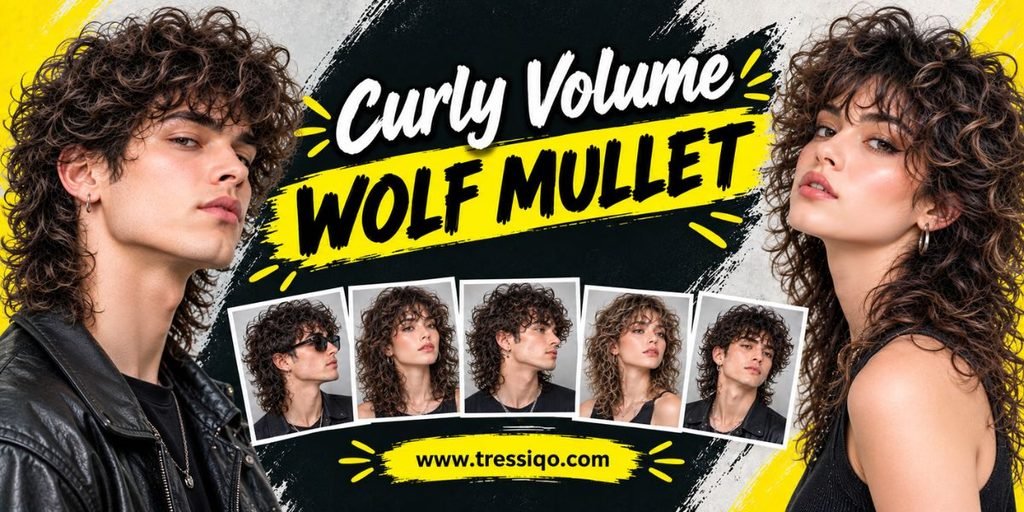
The curly wolf mullet uses your natural curl pattern as the main texture. Structured layers stop the shape from turning into a triangle. Each curl gets room to bounce.
Find a stylist who cuts curls dry. Wet curls shrink, so a wet cut can come out far shorter than planned. Ask to see their curly hair portfolio first.
Wavy Relaxed Wolf Mullet

The wavy wolf mullet is the easiest version to live with. Waves already add depth to the layers. You barely need to style it.
Try an air-dry hairstyle routine. Apply a little sea salt spray to damp hair, scrunch, and walk away. By lunchtime, your hair looks like you planned it.
Sleek Straight Wolf Mullet

The sleek straight wolf mullet shows off clean, precise layers. Straight hair reveals every cutting mistake, so technique matters more here. Choose a stylist who point-cuts carefully.
This version fits formal settings well. Smooth it with a light serum for work. Rough it up with texturizing spray for the weekend.
Messy Natural Wolf Mullet

The messy natural wolf mullet leans into bedhead. You skip the brush, add a touch of paste, and let natural movement hair do its thing. It’s the lowest effort of the bold styles.
It does need a good cut underneath. Messy only looks cool when the layers are placed well. Otherwise it just looks like you forgot to comb.
Heavy Layered Wolf Mullet

The heavy layered wolf mullet stacks many layers for big volume and strong texture. It makes a loud statement. You’ll notice the shape from across the room.
It suits medium to thick hair best. Fine hair can look sparse with this many layers. Ask your stylist how much density your strands can spare.
Shag-Driven Wolf Mullet

The shag wolf mullet borrows from the classic shag haircut of the 1970s. You get choppy, face-framing layers with a retro feel. The mullet shape sits at the back.
This cut loves a bit of mess. Rake some texture cream through damp hair and let it dry naturally. The result looks lived in, not styled.
Korean Soft Wolf Mullet
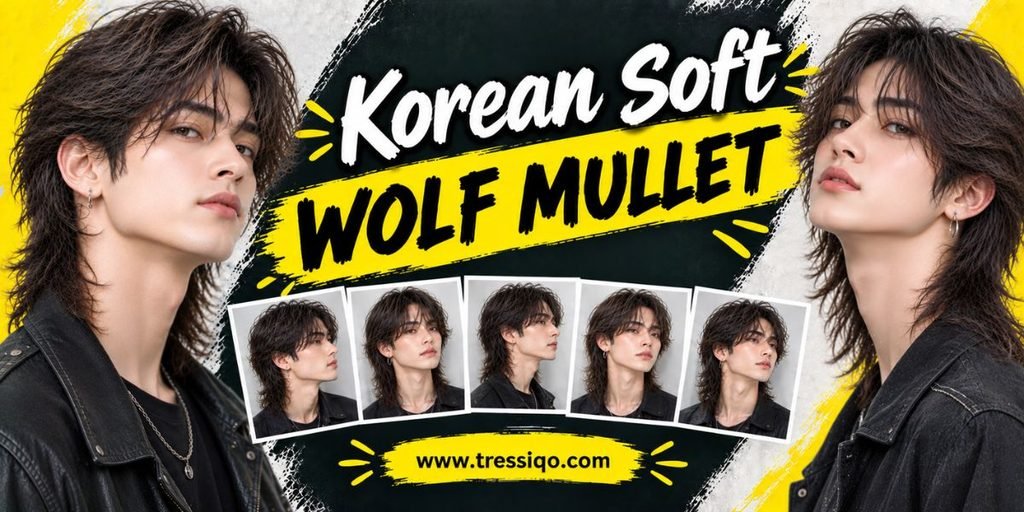
The Korean wolf mullet features lightweight layers and a cleaner, more controlled outline. It keeps volume at the crown but removes harsh edges. The finish looks polished and soft.
Expect a bit of face-framing around the cheeks. Stylists often pair it with see-through bangs. It’s a good pick if you want subtle change, not a total makeover.
Edgy Razor Wolf Mullet
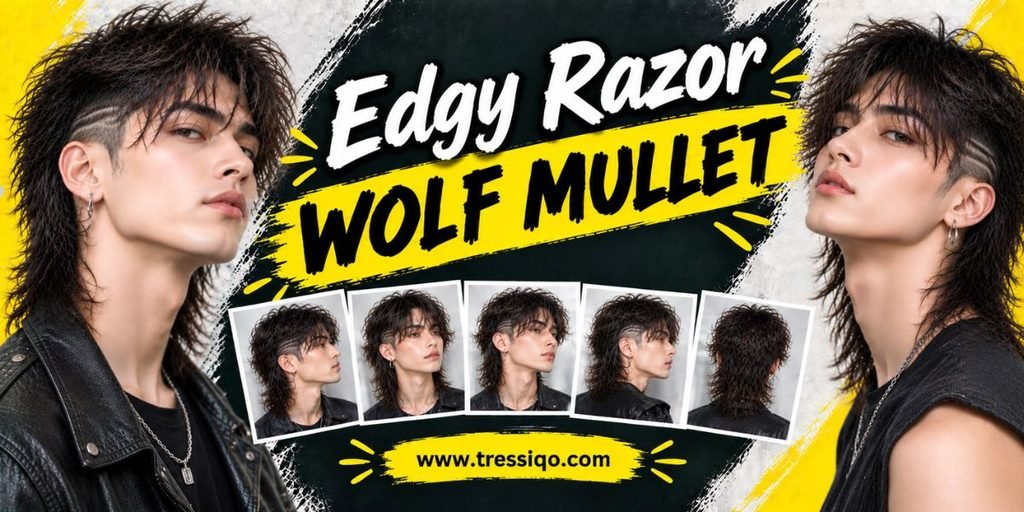
The razor cut wolf mullet uses a razor to create wispy, feathered ends. It looks lightweight and a little rebellious. The texture photographs well.
However, razors can frizz coarse or damaged hair. Ask your stylist to test a small section first. If your ends are dry, choose scissors instead.
Wolf Mullet with Micro Bangs

The micro bangs wolf mullet pairs very short bangs with the layered back. The bangs sit well above the brows. They draw attention straight to your eyes.
This style asks for commitment. Expect a bang trim every three weeks. If that sounds like a chore, move on to a gentler fringe.
Curtain Bang Wolf Mullet

The curtain bangs wolf mullet softens the cut with center-parted bangs that sweep to the sides. They frame the face and blur the sharpest edges. Most people find them flattering.
They also grow out easily. After a month, the bangs blend into your face-framing layers. You don’t need to panic when they get long.
Full Fringe Wolf Mullet

The full fringe wolf mullet adds a dense, straight front edge. It gives the cut a bold profile. The fringe also adds visual density to thinner hair.
Try it if you like a defined look. Keep a small pair of scissors out of reach, though. Trimming your own fringe is how most bang regrets begin.
Low Fade Wolf Mullet
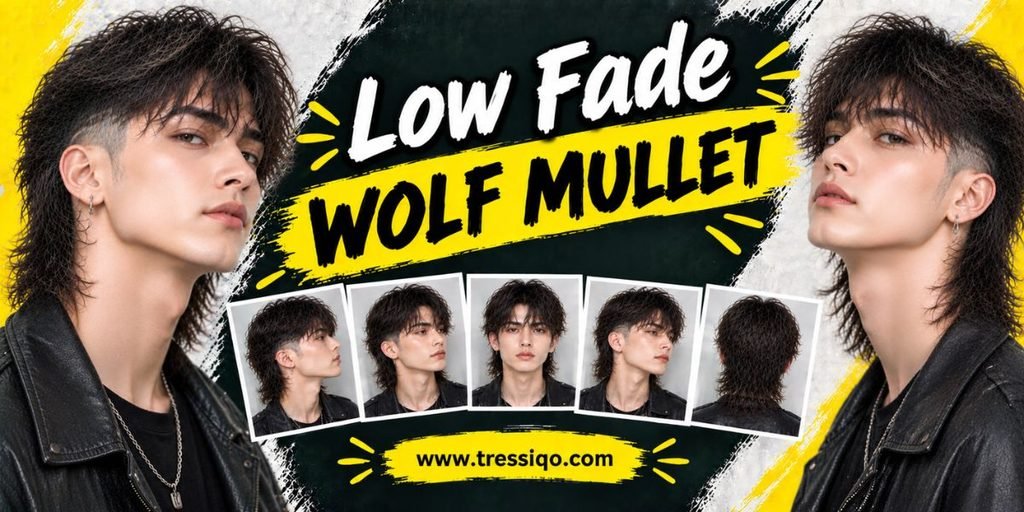
The low fade wolf mullet shaves the sides close and blends them into the layers above. It’s popular with men who want a sharper outline. The top and back keep their shaggy texture.
A low fade stays crisp for about three weeks. After that, the edges start to fuzz. Plan barber visits accordingly.
Undercut Contrast Wolf Mullet
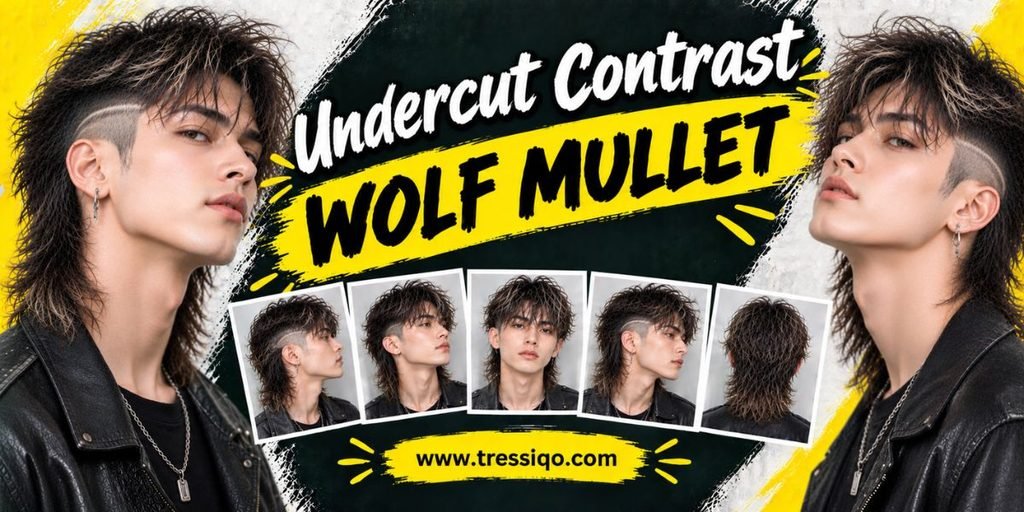
The undercut wolf mullet shaves a hidden section under the top layers, usually around the nape or temples. You can wear your hair down and hide it. You can tie it up and show off the contrast.
It also removes bulk fast. Thick-haired people love it for that reason. Just remember the shaved part needs regular buzzing.
Blonde Highlighted Wolf Mullet

The blonde highlighted wolf mullet makes every layer easier to see. Light pieces catch the light and show off the choppy shape. It looks especially good in daylight.
Choose babylights or face-framing highlights for a natural finish. Bleach dries hair out, so add a bond-repair treatment. Your layers will thank you.
Two-Tone Wolf Mullet
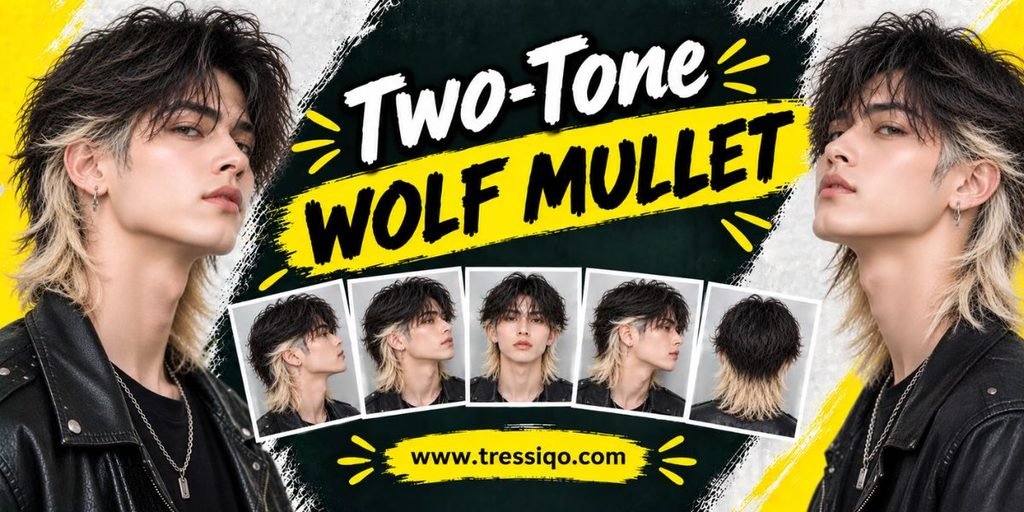
The two-tone wolf mullet pairs two contrasting colors, often a darker underlayer with a brighter top. The color split highlights the layered structure. It reads as creative and deliberate.
Black and silver is a safe pairing. Brown and copper warms things up. Ask for a clean division line so the contrast looks intentional.
Pastel Colored Wolf Mullet

The pastel wolf mullet swaps natural color for soft lilac, pink, or mint. The shaggy texture makes the shade look dreamy. It suits bold personalities.
Pastels need a pale base, which means bleach. They also fade in two to four weeks. Buy a color-depositing conditioner to extend the look.
Textured Crown Wolf Mullet
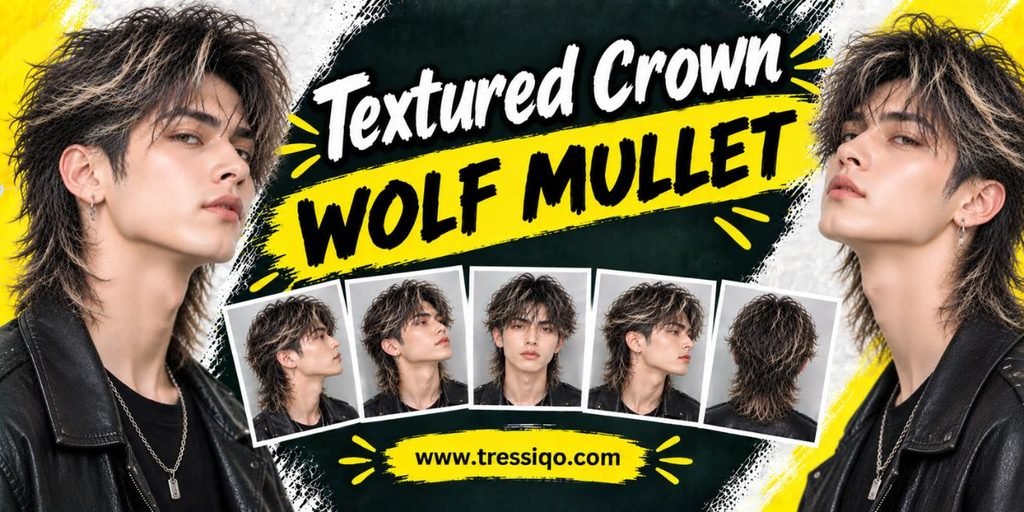
The textured crown wolf mullet concentrates lift and crown volume on top. The back stays smooth and long. The shape looks fuller and more structured.
It’s a great fix for flat roots. Stylists cut short layers at the crown so hair stands on its own. A quick blast with a hairdryer finishes the effect.
High Volume Wolf Mullet
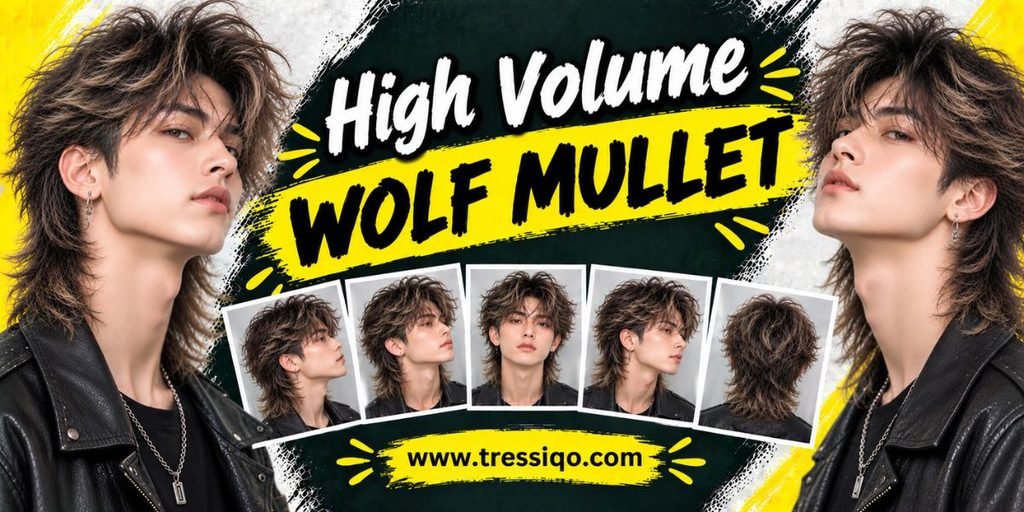
The high volume wolf mullet pushes lift and body throughout the whole head. It works best on thick or naturally wavy hair. The finish looks dramatic.
Backcomb gently at the roots for extra height. Seal it with a light-hold spray. Skip heavy waxes, which pull volume down.
Fine Hair Wolf Mullet
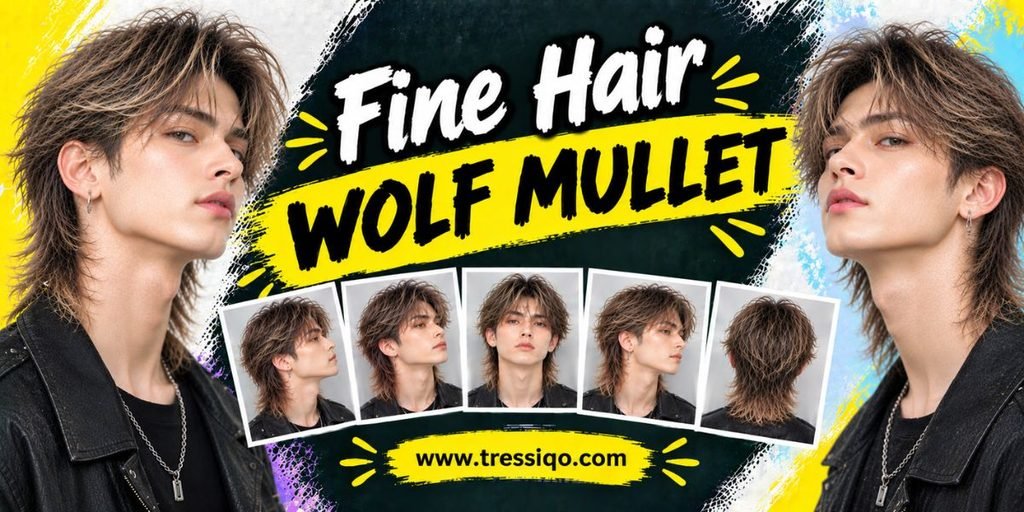
The fine hair wolf mullet uses fewer, lighter layers to create the illusion of thickness. Too many layers can make thin ends look see-through. Your stylist should keep length where it counts.
That gives you thin hair volume without sacrificing shape. Use a volumizing mousse at the roots. Avoid heavy oils, which flatten strands.
Thick Hair Wolf Mullet

The thick hair wolf mullet removes bulk while preserving the shape. Stylists use internal layering and thinning to cut weight. This practice is called thick hair layering, and it keeps the cut from puffing out.
Without it, thick hair forms a pyramid. With it, you get movement and control. Ask for a thinning pass on the sides and nape.
Punk Inspired Wolf Mullet

The punk wolf mullet features sharp, spiky layers with uneven texture. It carries rebellious energy. The look works with bold color or a few chunky highlights.
Use a strong-hold paste or clay to keep the spikes upright. Rough up the ends with your fingers. Perfection is not the goal.
Clean Modern Wolf Mullet
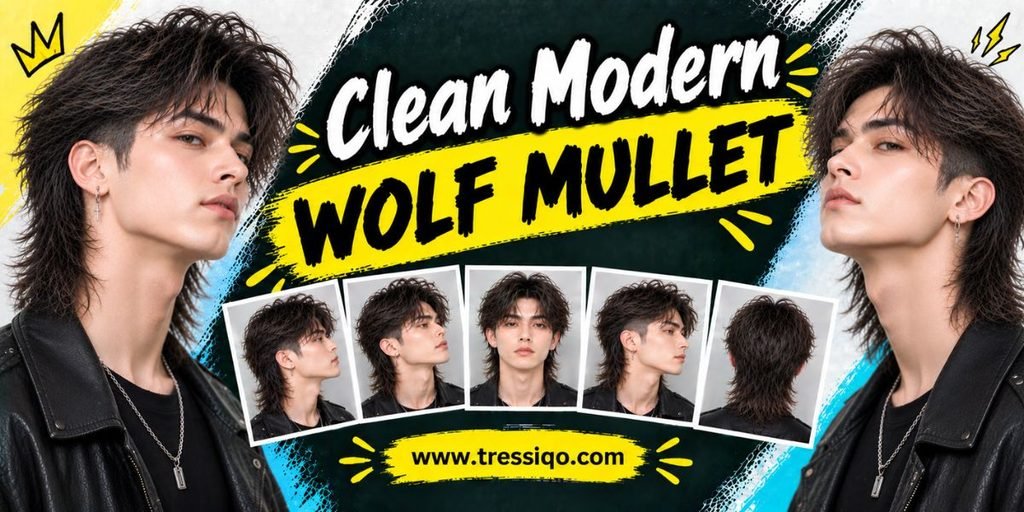
The clean modern wolf mullet smooths and controls the layers. It keeps the signature volume but cuts back the mess. It’s a neat, everyday option.
This version suits people who want a trend without the chaos. Ask for smooth blending and softer edges. A light cream keeps flyaways down.
Razor Shag Wolf Mullet
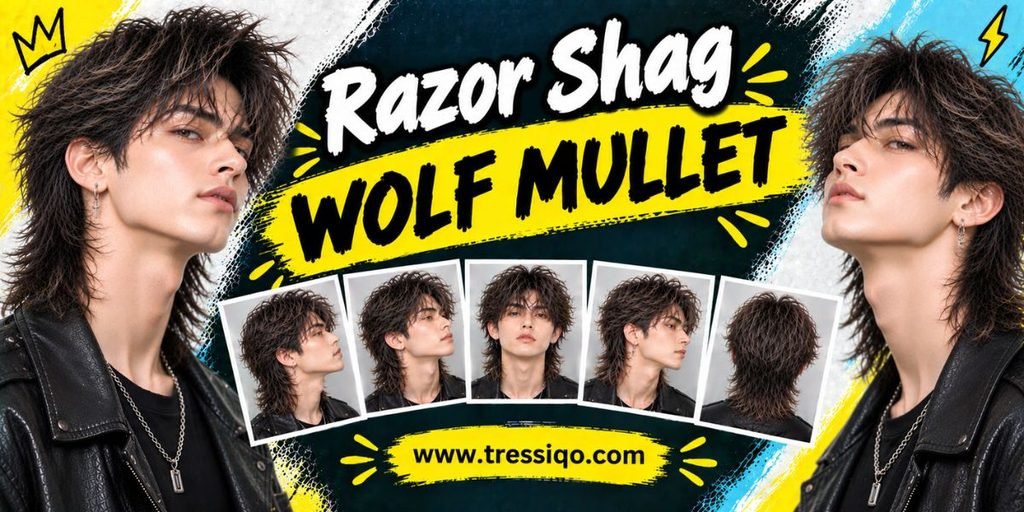
The razor shag mullet combines razor texturizing with shaggy layers. You get a light, airy feel with plenty of depth. The ends look wispy and soft.
It handles straight and wavy hair well. Coarse or curly hair can frizz under a razor, so check with your stylist first. Moisture matters here.
Highlighted Layer Wolf Mullet
The highlighted layer wolf mullet uses subtle highlights to show off the structure. The color variation adds depth without changing your base shade. It looks refined.
Pick tones one or two shades lighter than your natural color. The effect feels natural and low drama. It also grows out gently.
Wet Texture Wolf Mullet
The wet texture mullet uses gel or pomade for a slick, glossy finish. This gelled hair look turns the layers into sharp, separated strands. It photographs well.
Save it for events or photoshoots. It can feel stiff for everyday wear. Wash out the product at night to avoid buildup.
Burst Fade Wolf Mullet
The burst fade curves around the ear and fades out toward the nape. This leaves length at the back for the mullet effect. It creates a bold, rounded outline.
It suits men and women with tapered necklines. Expect crisp edges for about two weeks. After that, the fade grows out and needs a refresh.
Taper Fade Wolf Mullet
The taper fade wolf mullet shortens the sides and nape gradually, so the change feels smooth. It’s subtler than a skin fade. You can wear it in conservative workplaces.
The top keeps its choppy layers. Ask for a low or mid taper depending on your preference. It stays neat for about four weeks.
Bleached Wolf Mullet
The bleached wolf mullet lifts the hair to platinum or pale blonde. The bright color highlights every layer. It looks striking against darker skin tones and pale ones alike.
Bleach damages hair, so plan ahead. Use a bond builder, deep conditioner, and purple shampoo. Delay razor cuts until your hair recovers.
Side-Swept Fringe Wolf Mullet

The side-swept fringe falls diagonally across your forehead. It softens the mullet shape and suits most face shapes. It’s an easy bang for beginners.
You can tuck it behind your ear when it grows long. That flexibility makes it practical. Ask for the fringe to start around the cheekbone.
Low-Maintenance Wolf Mullet

A low-maintenance haircut version of the wolf mullet keeps layers long and blended. It skips fades, bangs, and bleach. You wash, scrunch, and go.
It grows out well and needs trims every eight weeks. This is the best choice if you’re busy or forgetful. The shape holds without much effort.
What Makes This Cut Different from Traditional Styles
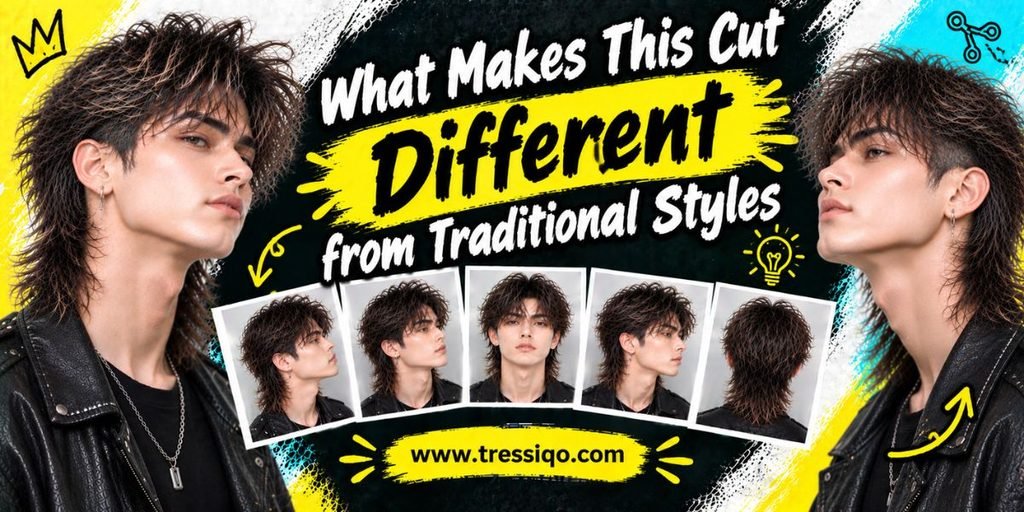
The wolf mullet differs from traditional cuts because it blends structure with natural movement hair. A classic mullet uses a hard line between top and back. The wolf version softens that line with choppy layers and feathered ends.
It also adapts to your texture. Straight, wavy, and curly hair all hold the shape in different ways. You don’t need to fight your natural pattern.
In contrast, a traditional mullet often needs a barber who loves precision. A wolf mullet forgives small mistakes. Slightly uneven layers just add to the charm.
Wolf Mullet vs. Wolf Cut vs. Shag: Quick Comparison

The wolf mullet vs wolf cut question comes down to contrast. A wolf mullet has a bigger gap between the short top and the long back. A wolf cut blends everything into one rounded shape.
For wolf mullet vs traditional mullet, think softness. The traditional version cuts blunt, with clear edges. The wolf mullet uses feathered ends and shorter, textured crowns.
For wolf mullet vs shag haircut, check the back. A shag stays even all over. A wolf mullet keeps extra length at the nape.
| Cut | Top | Back | Vibe |
|---|---|---|---|
| Traditional mullet | Short, tidy | Long, often blunt | Retro, bold |
| Shag haircut | Layered all over | Even, medium | Soft, 1970s |
| Wolf cut | Heavy, shaggy layers | Long, feathered | Wild, rounded |
| Wolf mullet | Short, choppy | Long, tapered | Edgy, lived-in |
Face Shape & Hair Type Matching Guide
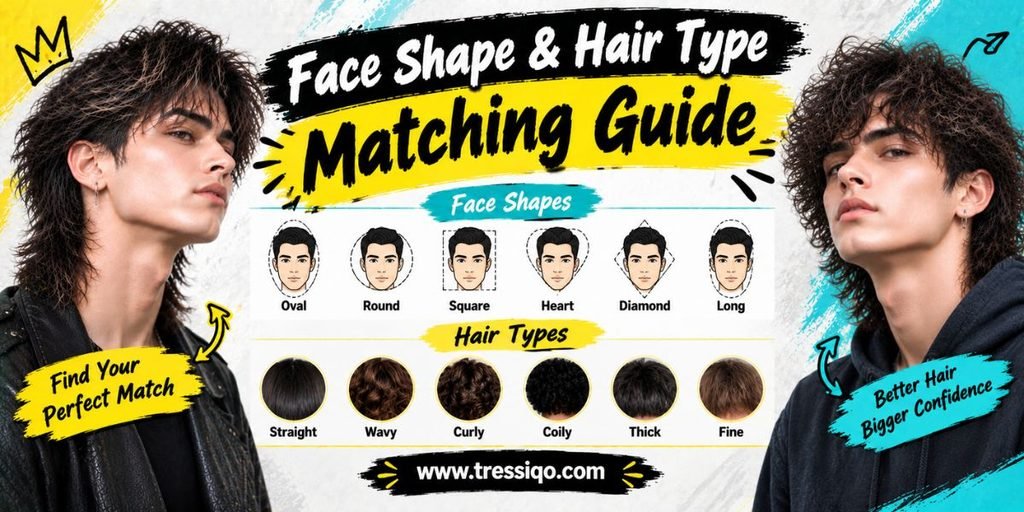
The best wolf mullet depends on your face shape haircut needs and hair texture. Face shape controls where you add volume. Hair type controls how many layers you can handle.
Bring a photo of someone with your face shape to the salon. Pictures beat descriptions every time.
Round Face
For a round face haircut, build height at the crown and keep the sides slim. Height stretches the face visually. Slightly lifted layers help most.
Face-framing pieces should fall below the chin. They add length and cut the roundness. Avoid heavy volume right at the cheeks.
Oval Face
Oval faces can carry almost any oval face haircut, including every wolf mullet here. The proportions already feel balanced. You can focus on personal taste.
Try bold bangs, heavy layers, or sharp fades. Nothing will throw off the balance. It’s the easiest face shape to style.
Square Face
For a square face haircut, choose soft feathered layers around the jaw. They blur strong angles. Curtain bangs also help by drawing the eye upward.
Avoid blunt cuts that stop right at the jawline. They highlight the corners. Movement around the chin gives a gentler outline.
Heart Face
Heart-shaped faces suit side-swept fringe and curtain bangs. They balance a wider forehead and a narrower chin. Extra fullness at the nape adds weight below.
Skip very short micro bangs, which can exaggerate the forehead. Ask for layers that start at the cheekbones. They add width where you need it.
Thin Hair
Thin hair works best with fewer, lighter layers. Too many cuts make strands look sparse. Focus on thin hair volume at the crown instead.
Use a volumizing mousse on damp roots. Skip heavy oils and butters. They weigh fine strands down.
Thick Hair
Thick hair needs controlled layers that remove bulk. This is the heart of thick hair layering. Ask for internal layers and thinning at the sides.
Without them, the shape puffs out. With them, you get movement and weight where it belongs. A good stylist can cut your styling time in half.
Curly Hair
Curly hair does well with a dry cut and soft feathered layers. Cutting dry lets the stylist see every curl in its real position. That prevents surprise shrinkage.
Skip razors, which can fray curls. Use a diffuser and curl cream instead. Let the curls dry without touching them.
How to Ask Your Stylist for a Wolf Mullet
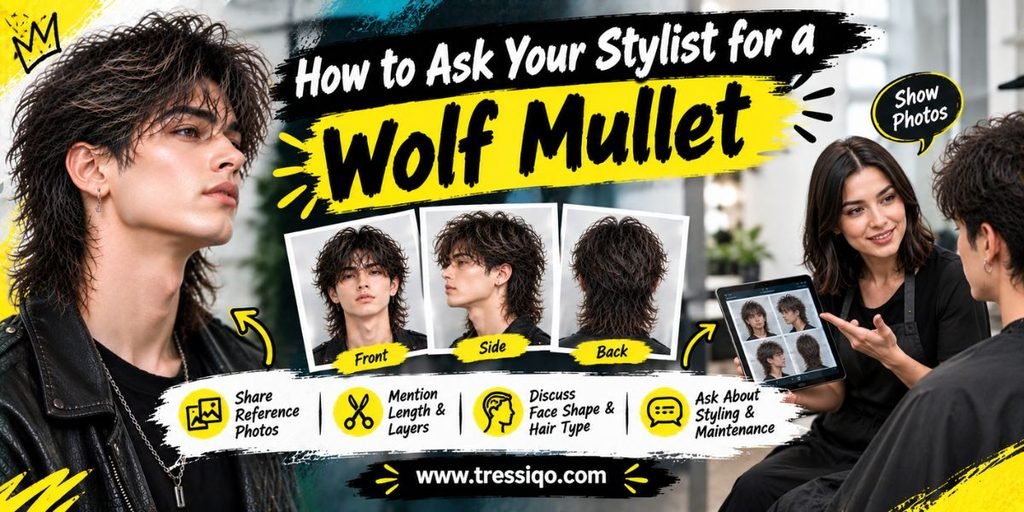
Show photos and name three details: top length, nape length, and fringe style. That covers most of the conversation. Stylists can’t read minds, however much we wish they could.
Here are lines you can steal:
- “I’d like short, choppy layers on top and length at the back.”
- “Can you leave the nape around shoulder or collar length?”
- “Please skip the razor, since my hair is dry.”
Also ask how it will look at week six. An honest stylist will tell you.
How to Style a Wolf Mullet
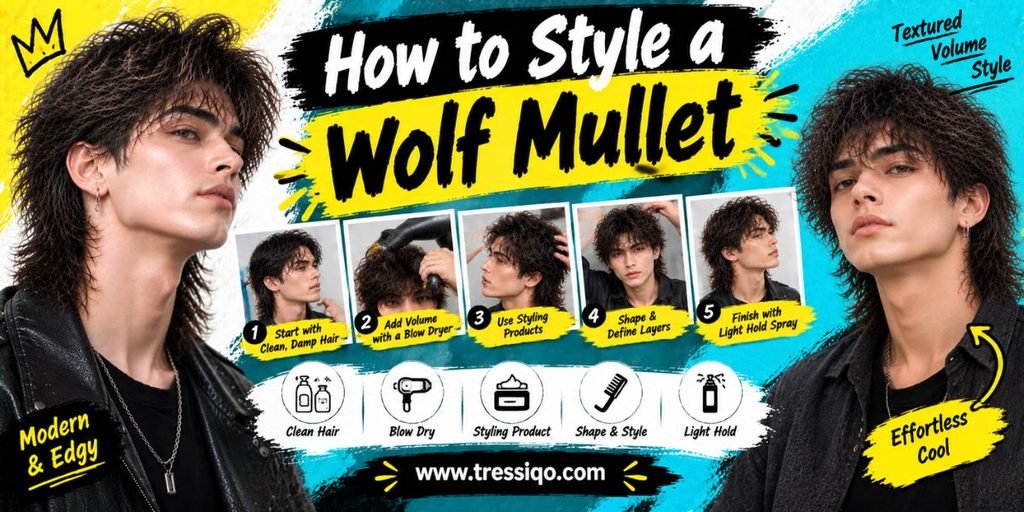
You can style a wolf mullet in five minutes with three steps. Start with damp hair, build volume, then lock in texture. The goal is controlled mess.
You don’t need a drawer full of products. A texturizing spray, a diffuser or hairdryer, and a finishing product cover almost everything.
Prep with a Texturizing Spray
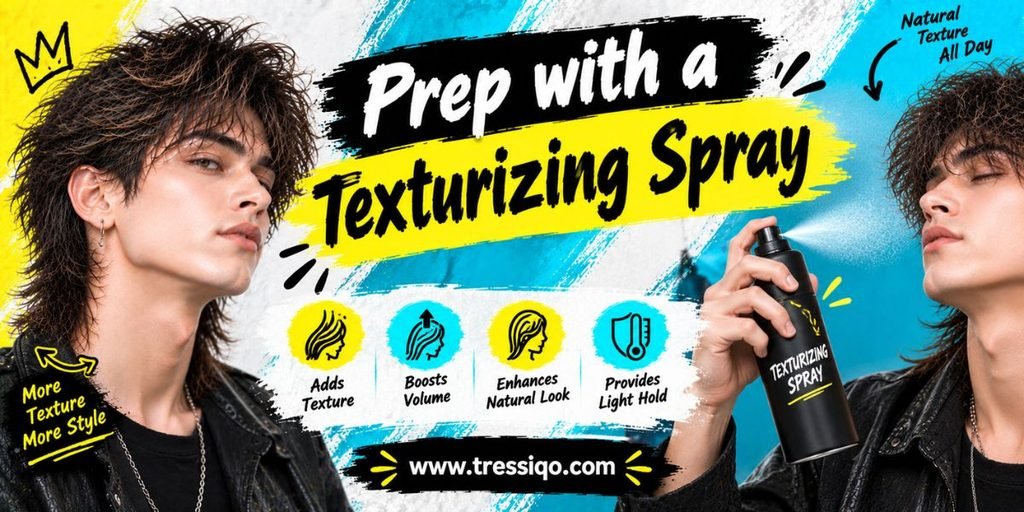
Spray texturizing spray onto damp hair from roots to mid-length. It adds grip and body. Layers separate more easily when strands have something to hold.
Use a light mist, not a soaking. Too much product makes layers clump. Comb it through with your fingers.
Blow Dry or Scrunch for Volume

Blow dry upside down or scrunch with a diffuser to create crown volume. Flip your head and dry the roots first. Then flip back and shape the top.
An air-dry hairstyle works too if you have natural waves. Scrunch once, then leave it alone. Touching wet hair causes frizz.
Finish with Clay or Sea Salt Spray

Finish with hair clay for a matte, chunky texture or sea salt spray for a beachy finish. Rub a pea-sized amount of clay between your palms. Then pinch the ends.
Sea salt spray suits wavy or fine hair best. Clay suits thick or straight hair. Pick one, not both.
Wolf Mullet Maintenance Tips
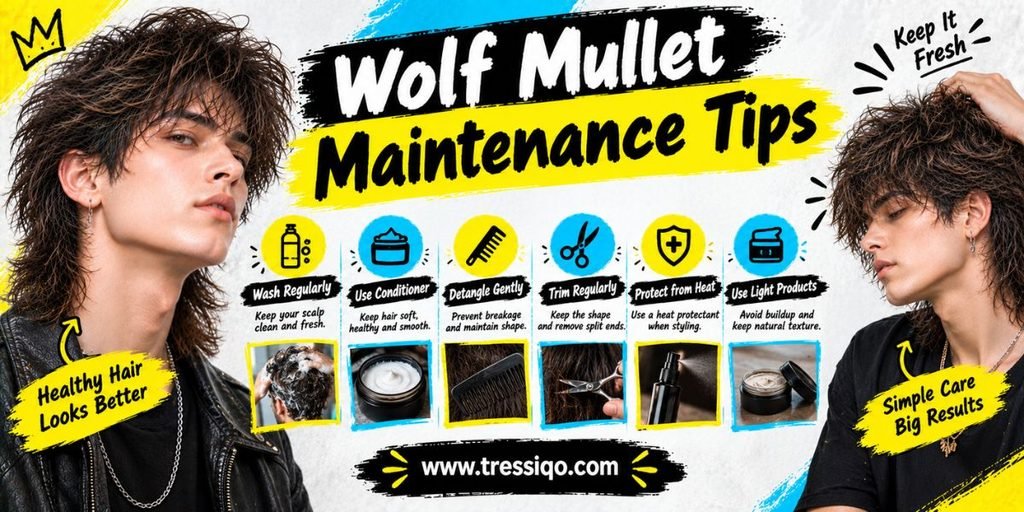
A wolf mullet is easy to style but needs regular upkeep. The low-maintenance haircut label only covers daily styling. Shape depends on hair trims and the right products.
Treat it like a garden. Small, regular care beats a big rescue later.
Trim Schedule to Keep the Layers Sharp
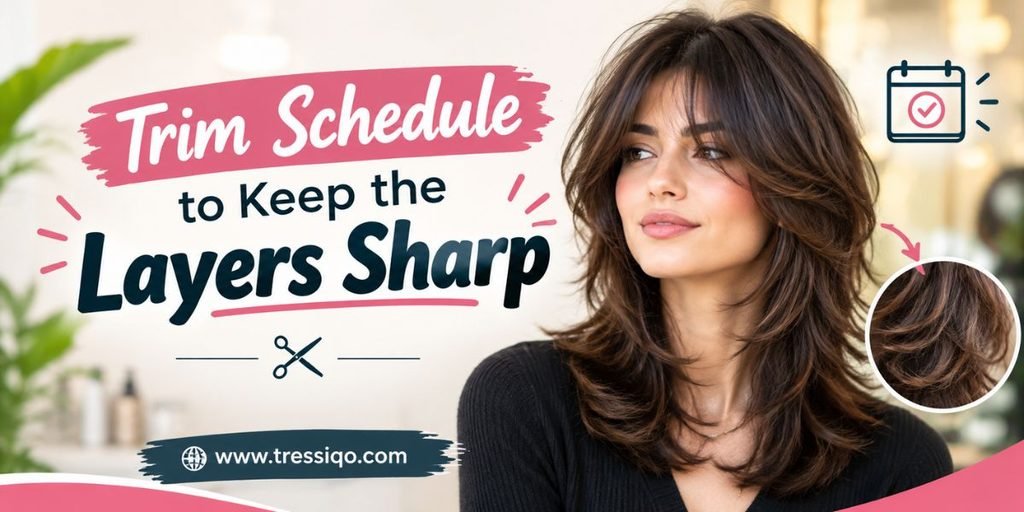
Trim a wolf mullet every six to eight weeks to keep the layers sharp. Hair grows about half an inch a month. After two months, the shape starts to slump.
Fades and bangs need more attention, about every three to four weeks. Otherwise, you can stretch visits. Book your next trim before you leave the salon.
Best Products for Lasting Texture

The best products are lightweight and match your hair type. Use these as a quick guide:
- Fine hair: volumizing mousse and light texturizing spray
- Thick hair: hair clay and a leave-in conditioner
- Wavy hair: sea salt spray and curl cream
- Bleached hair: bond repair mask and purple shampoo
Skip heavy waxes on short layers. They flatten the crown. Wash product out at night to prevent buildup.
FAQs – Wolf Mullet Haircut
Is the wolf mullet haircut suitable for all hair types?
Yes, the wolf mullet works on straight, wavy, and curly hair, but the technique changes. Curly hair needs a dry cut. Fine hair needs fewer layers.
Very coily or very thin hair needs a stylist with specific experience. Ask to see before-and-after photos. That tells you more than any promise.
Does the wolf mullet require daily styling?
No, most versions need only two to five minutes. Apply texturizing spray and let the cut do the work. Air drying often works fine.
Fades, bangs, and wet looks need more effort. Choose a softer version if you’re short on time.
Can men and women both try the wolf mullet?
Yes, the wolf mullet suits all genders. It’s a unisex mullet haircut you can adjust with fades, bangs, or color. A good stylist shapes it around your face, not your gender.
Men often choose fades and tapers. Women often choose curtain bangs and longer backs. Anyone can pick from either list.
How often should I trim a wolf mullet?
Trim every six to eight weeks for a standard cut. Fades and bangs need a visit every three to four weeks. Regular trims keep the layers from turning shapeless.
If you’re growing it out, trim just the back every three months. That keeps the ends healthy without losing length.
Is the wolf mullet good for thin hair?
Yes, light layers can make thin hair look fuller. Keep the layers few and the crown textured. Avoid razors on fragile hair.
A volumizing mousse and light spray help too. Heavy products collapse the shape. Choose a fine hair version for the best results.
Conclusion
The wolf mullet haircut rewards people who like a little chaos. It adapts to your face shape, hair type, and schedule. You can go subtle with soft layers or loud with color and fades.
Pick the style that fits your life, then bring photos and clear instructions to your stylist. If it feels off after two weeks, ask for a small adjustment. Most stylists will happily fix it.

Ethan Vale writes about modern haircuts, trending hairstyles, and practical hair care for Tressiqo. Each guide is built to help you find a cut that suits your hair type and face shape, and to know exactly what to ask your barber for.