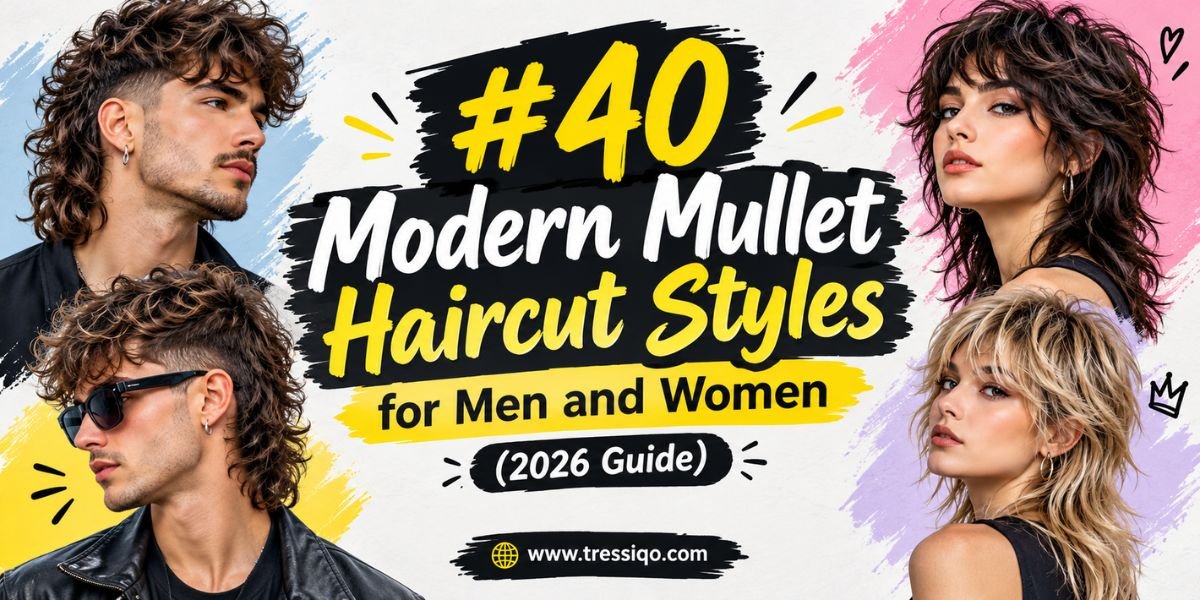
40 Modern Mullet Haircut Styles for Men and Women (2026 Guide)
The mullet is back, and it doesn’t look anything like it did in the 80s. Today’s modern mullet haircut blends short, clean sides with longer layers at the back, giving you a style that works in the office and on the weekend. Whether you want a subtle taper haircut or a bold mullet fade, this guide breaks down 40 of the best looks you can try in 2026.
What Is a Modern Mullet Haircut?
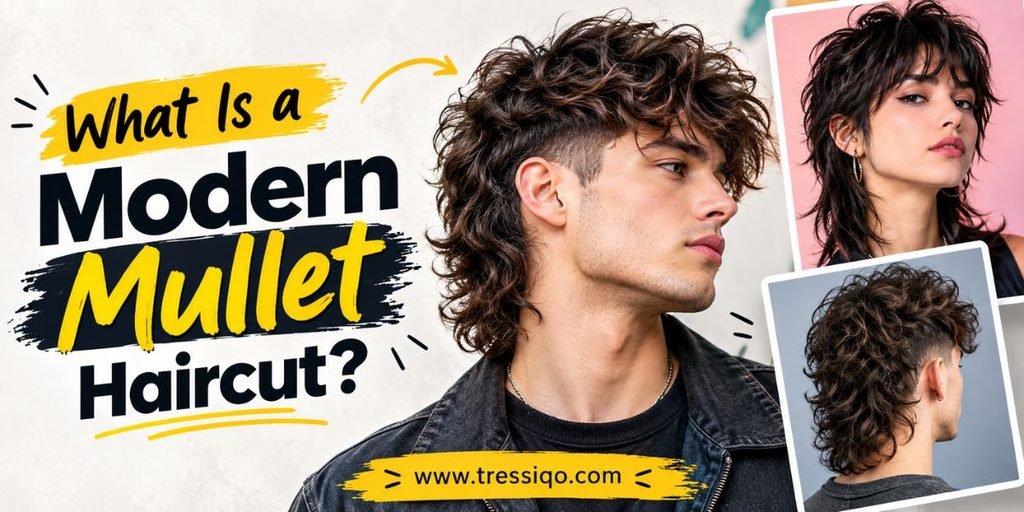
A modern mullet keeps the classic “business up front, party in the back” idea but updates it with sharper technique. Instead of a blunt, dated cut, barbers now use fade haircut methods, layering, and texture work to make the style look intentional rather than accidental.
You’ll usually see shorter hair around the crown and temples, with length left through the nape and back. The contrast is what makes it pop. Add in a burst fade mullet or some choppy texture on top, and you’ve got a cut that feels current instead of retro.
40 Best Modern Mullet Haircut Styles
There’s a modern mullet variation for pretty much every hair type, face shape, and personal style. Below are 40 of the standout options, organized by category so you can find the one that fits you best.
Fade Modern Mullet Styles
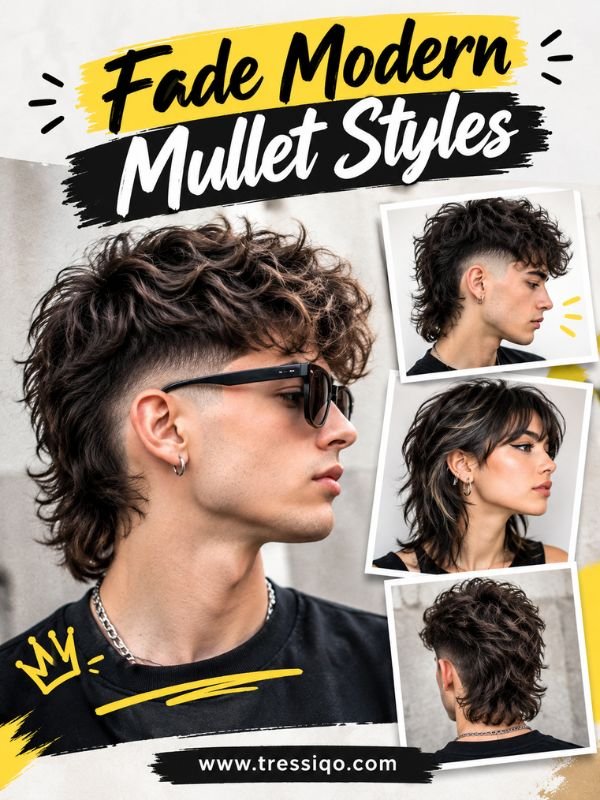
Fades are what separate a modern mullet from an old-school one. The fade haircut technique creates a smooth gradient on the sides, which makes the longer back section look even more dramatic by comparison.
Low Fade Mullet
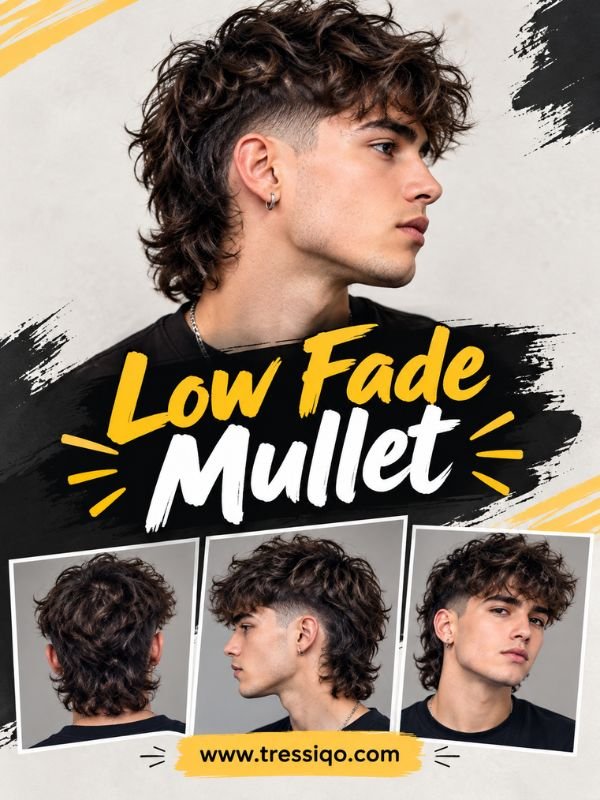
The low fade mullet keeps the fade close to the ears instead of climbing up toward the temples. It’s a subtle option that works well for guys who want the mullet effect without drawing too much attention to the sides.
Mid Fade Mullet
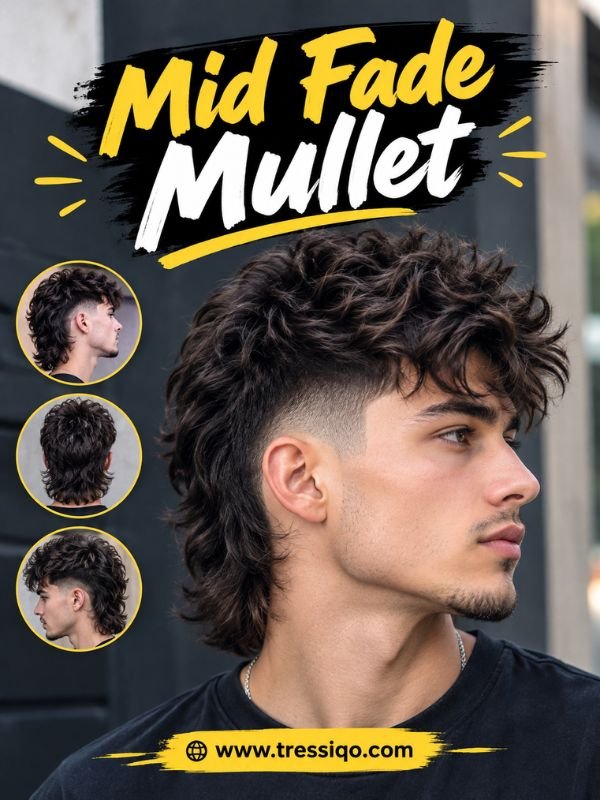
A mid fade mullet starts the blend a bit higher, right around the temple area. This is one of the most requested versions at barbershops because it balances edge with wearability, and it suits most face shapes.
High Fade Mullet
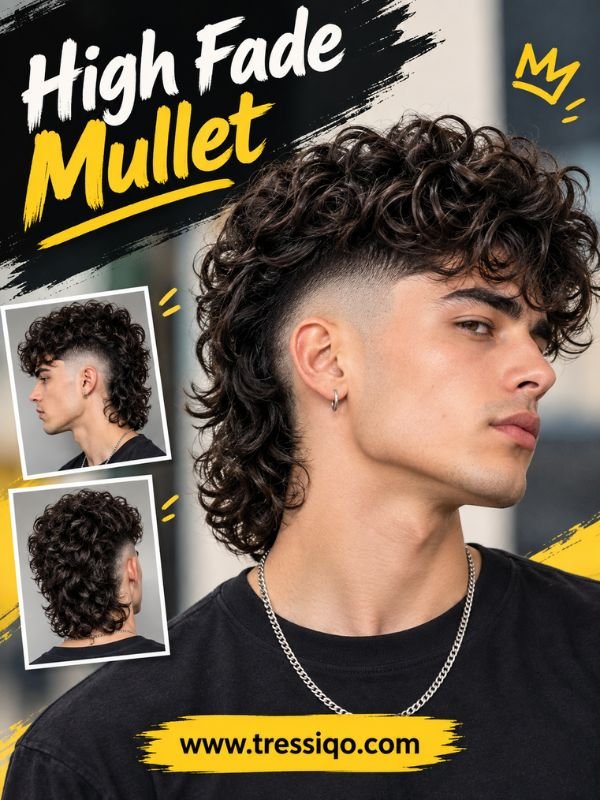
The high fade mullet pushes the fade well above the ears, creating sharp contrast between the shaved sides and the long back. It’s a bolder statement piece, best for anyone who wants their haircut to do some of the talking.
Skin Fade Mullet
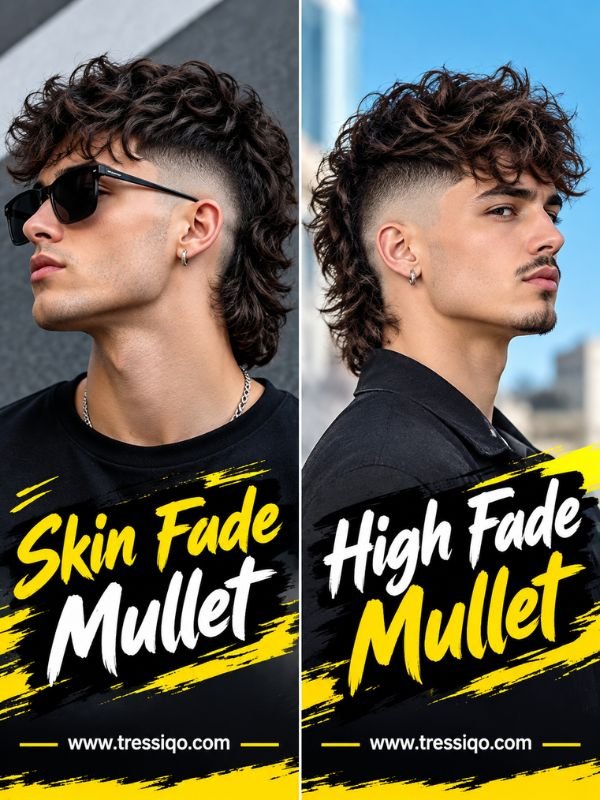
A skin fade mullet takes things down to bare skin on the sides. Paired with longer layers on top and back, the skin fade gives the whole cut a crisp, high-contrast finish that photographs really well.
Drop Fade Mullet
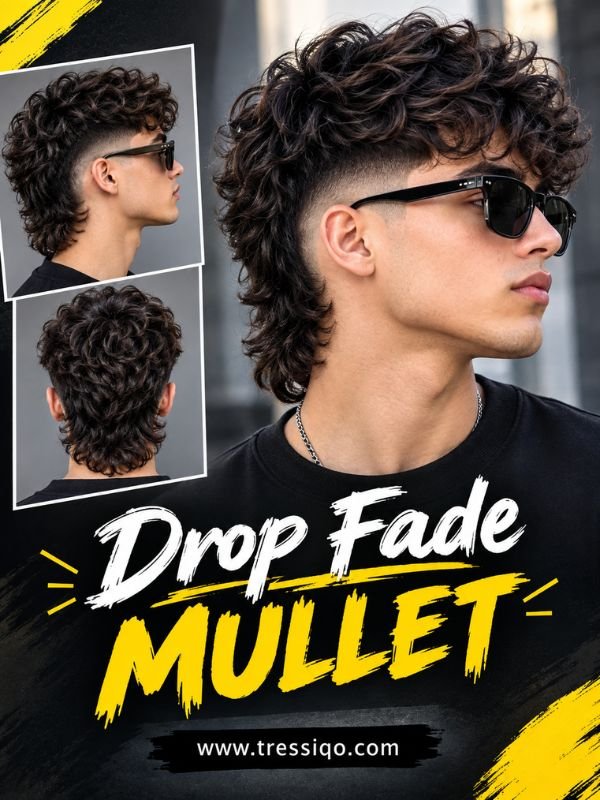
The drop fade mullet curves downward behind the ear instead of following a straight line. It adds a bit more visual interest and works especially well if you’re also rocking some length or curl on top.
Bald Fade Mullet
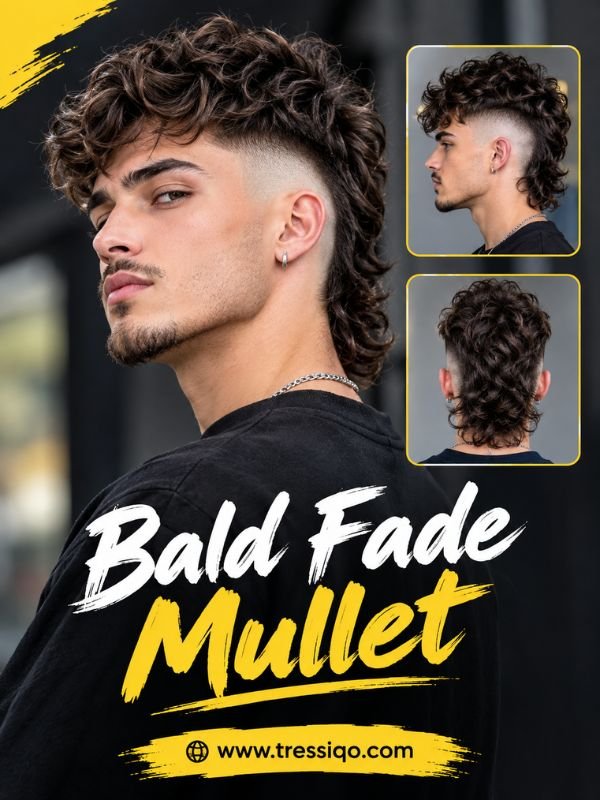
For maximum contrast, the bald fade mullet shaves the sides down to nothing, leaving all the volume and length concentrated at the crown and back. It’s a striking option that keeps maintenance simple between barber visits.
Burst Fade Mullet Styles
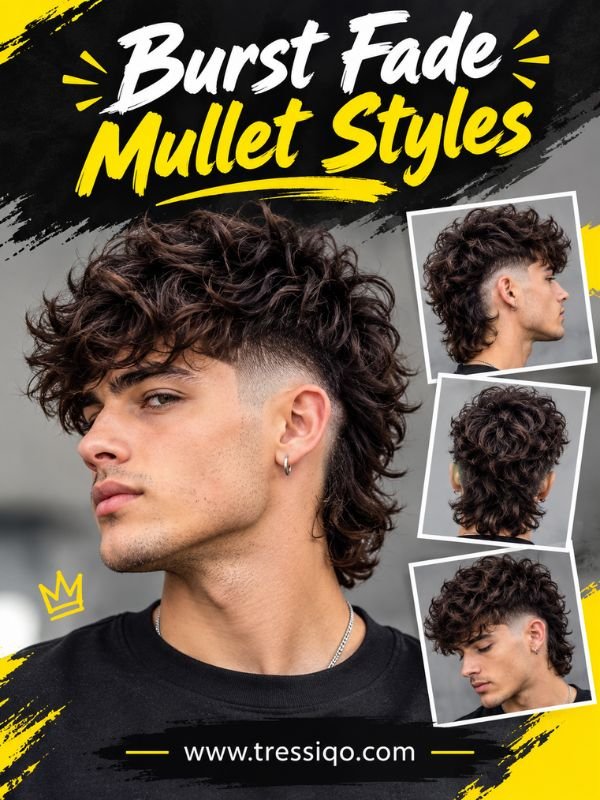
The burst fade mullet is one of the more technical variations out there. Instead of fading in a straight line, the burst fade curves around the ear in a semicircle, which softens the transition and adds movement.
Classic Burst Fade Mullet
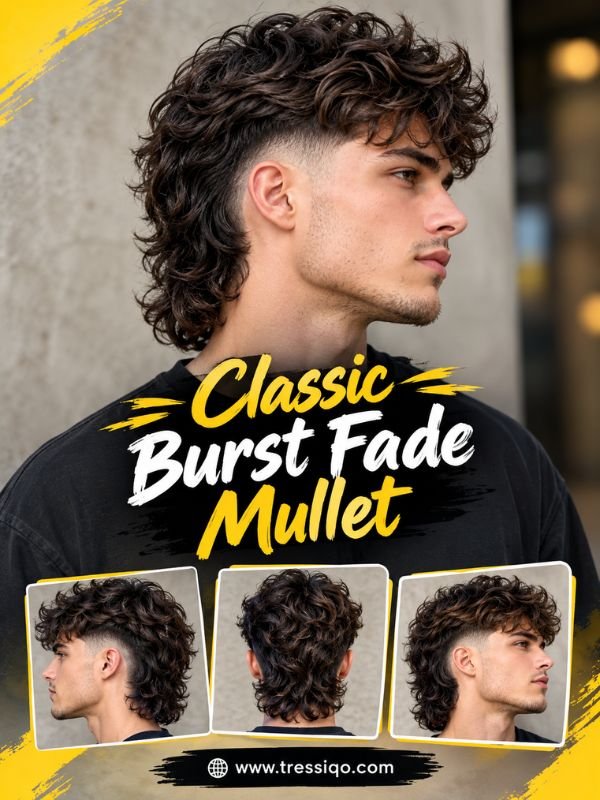
This version sticks to the traditional burst pattern around the ear while keeping the rest of the mullet fairly simple. It’s a great entry point if you like the burst fade look but don’t want anything too flashy.
Textured Burst Fade Mullet
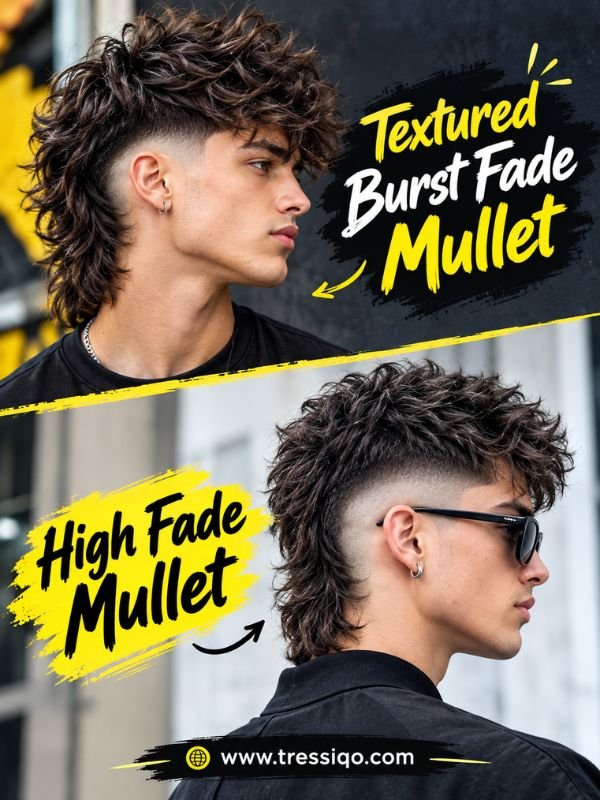
Adding texture on top through choppy layers or a matte product gives the classic burst fade a more lived-in feel. This style photographs great and hides a bit of cowlick or unruly hair at the same time.
Curly Burst Fade Mullet
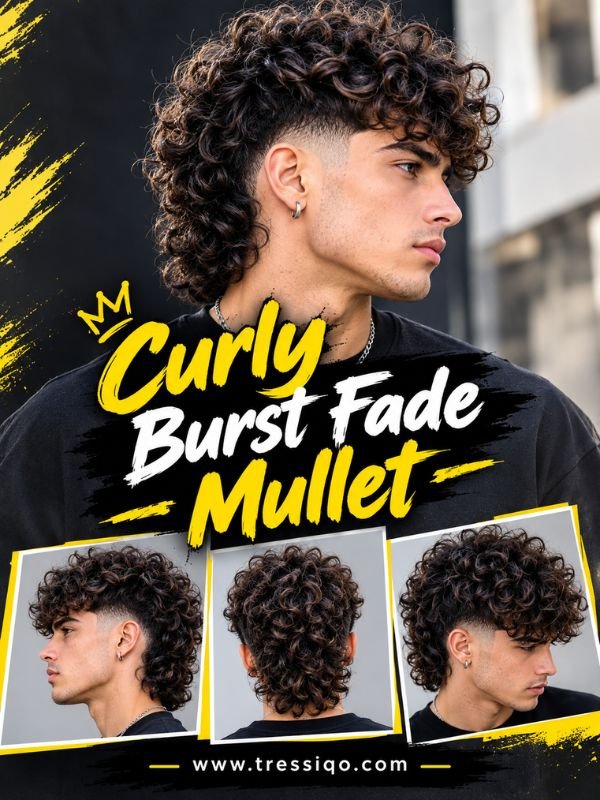
Curly hair and burst fades pair surprisingly well. The curve of the fade complements the natural round shape of curls, and the contrast between tight sides and bouncy length up top creates a really dynamic look.
Taper and Clean Mullet Styles
Not every mullet needs a dramatic fade. A taper haircut approach gradually shortens the hair without the stark line a fade creates, giving you a softer, more office-friendly version of the cut.
Taper Fade Mullet
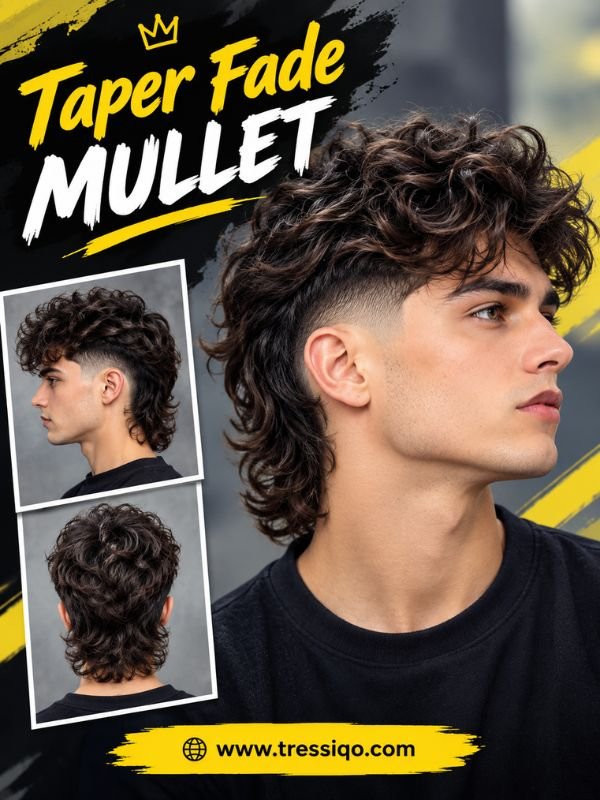
The taper fade mullet blends length gradually from the top down to the neckline, avoiding harsh lines altogether. It reads as more professional, which makes it a solid choice if your workplace has a stricter dress code.
Temple Fade Mullet
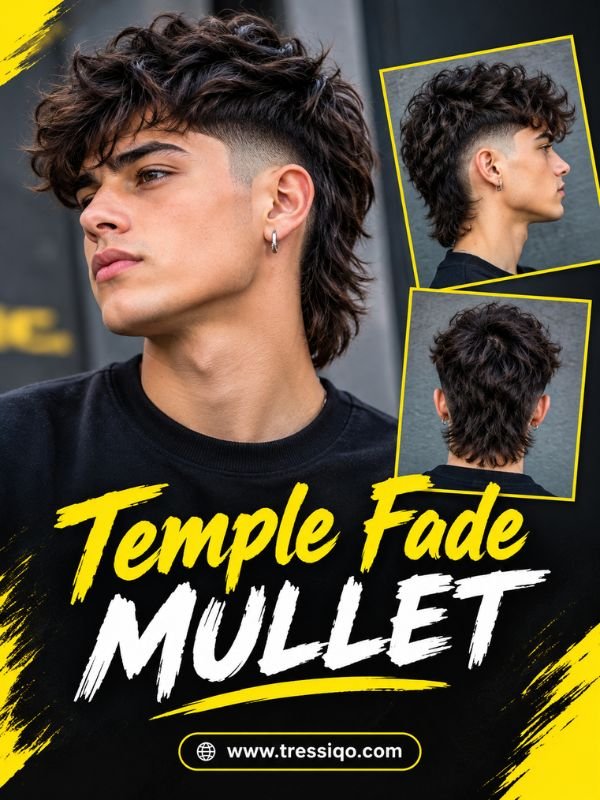
A temple fade mullet focuses the fade specifically around the temples while leaving the rest of the sides a bit longer. It’s subtle enough that some people won’t even clock it as a mullet at first glance.
Classic Taper Mullet
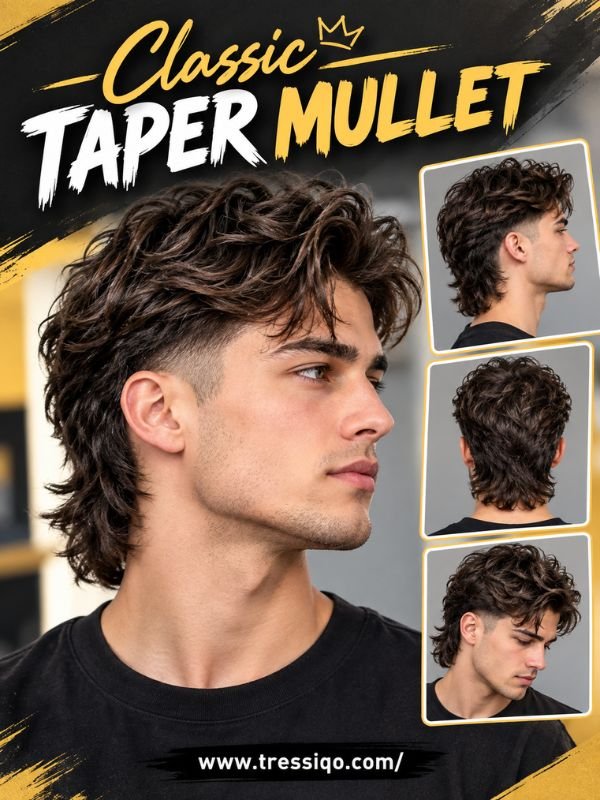
This is about as close as you can get to a traditional mullet while still looking modern. The sides stay neat and tapered, the back grows out with intention, and the whole thing feels timeless rather than trendy.
Textured Modern Mullet Styles
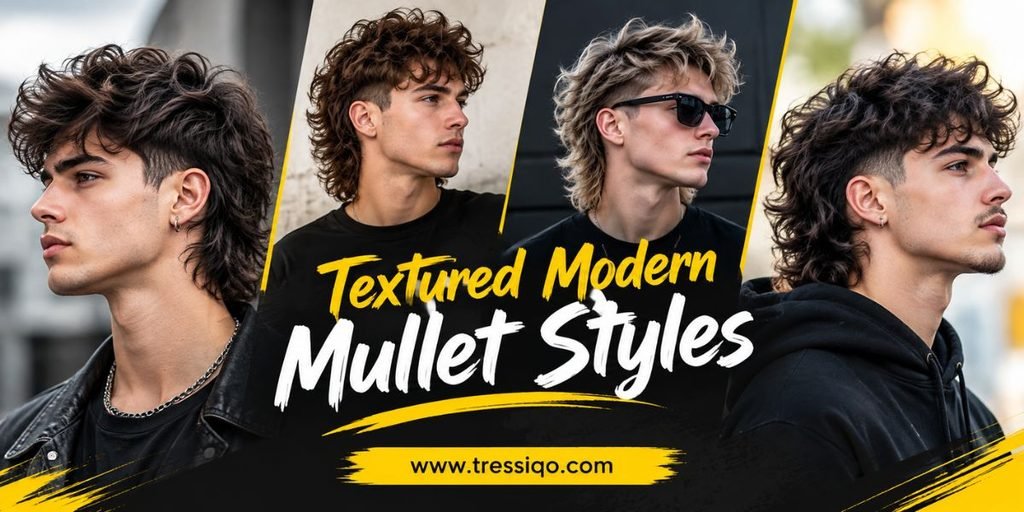
Texture is what gives a modern mullet its personality. Whether it comes from cutting technique, natural hair pattern, or styling product, a bit of texture keeps the cut from looking flat or overly styled.
Messy Modern Mullet
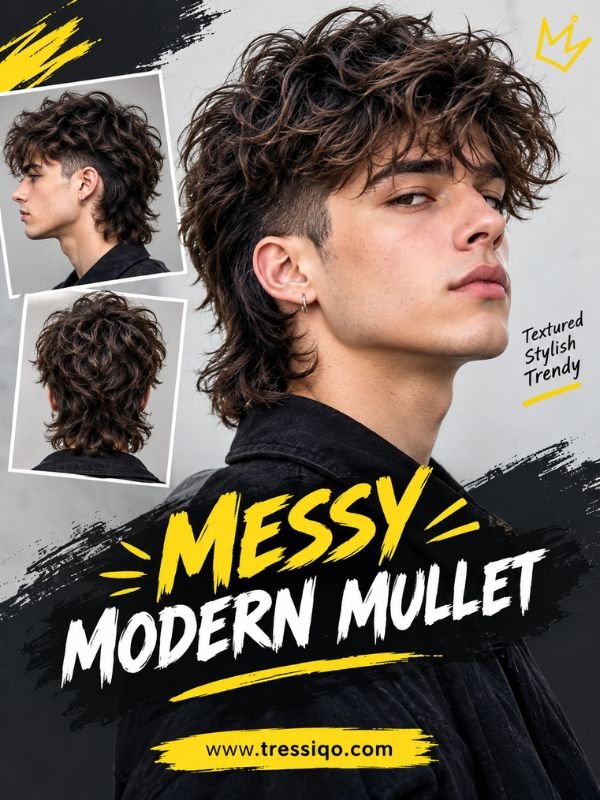
The messy mullet leans into imperfection. A light texture spray or clay, worked through with your fingers instead of a comb, gives this style its effortless, just-rolled-out-of-bed appeal.
Layered Mullet
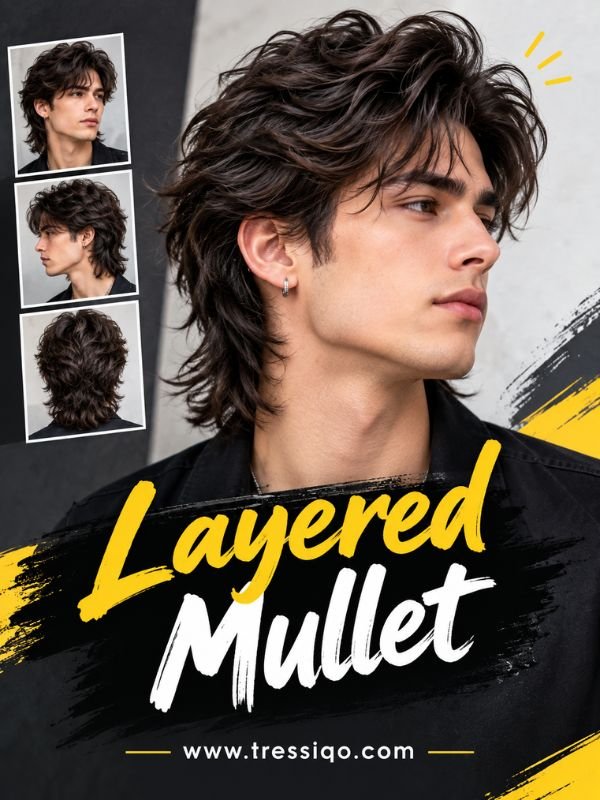
Layering removes bulk and adds movement throughout the length. A layered mullet tends to sit better and looks less like one solid chunk of hair, especially once it grows out past a few months.
Feathered Mullet
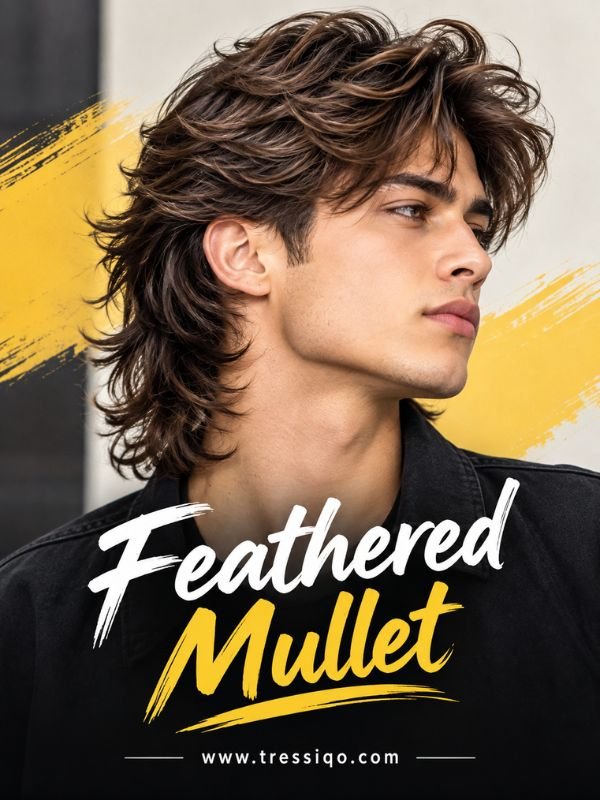
The feathered mullet uses razor or point-cutting techniques to create soft, wispy ends instead of blunt ones. It’s a great pick if you want something that references the 70s without looking like a costume.
Choppy Mullet
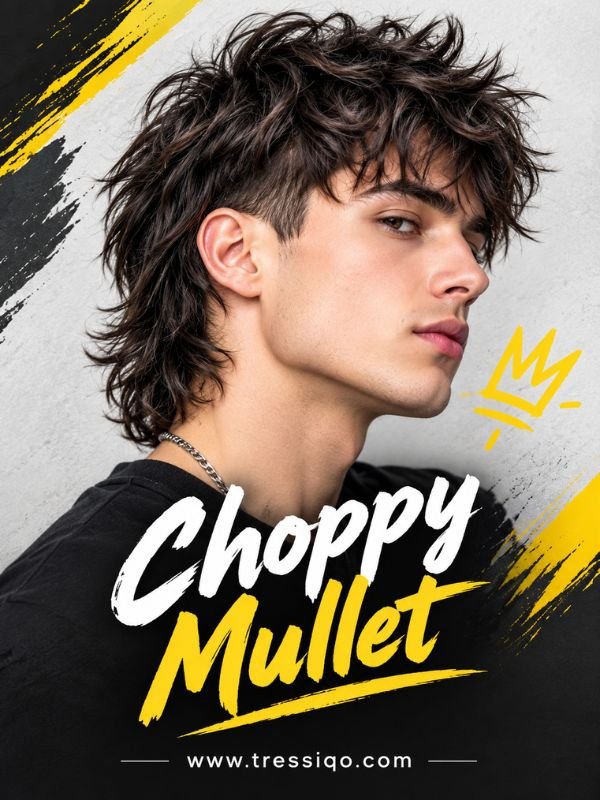
A choppy mullet relies on heavy, uneven layers to create texture and volume. It pairs nicely with a bit of product for definition and tends to work best on thicker hair that can hold the shape.
Tousled Modern Mullet
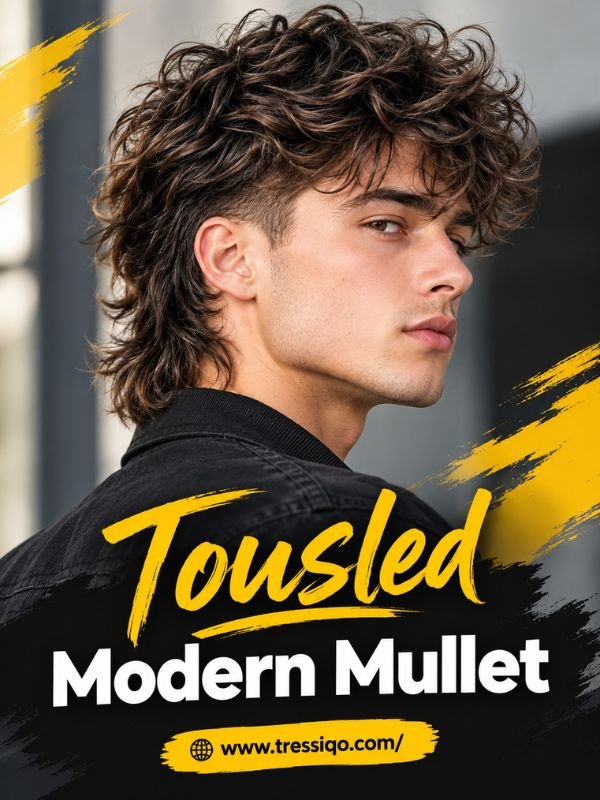
This style is all about relaxed, undone waves or texture running through the whole cut. A sea salt spray and some air-drying is usually all it takes to get the tousled look right.
Curly and Wavy Mullets
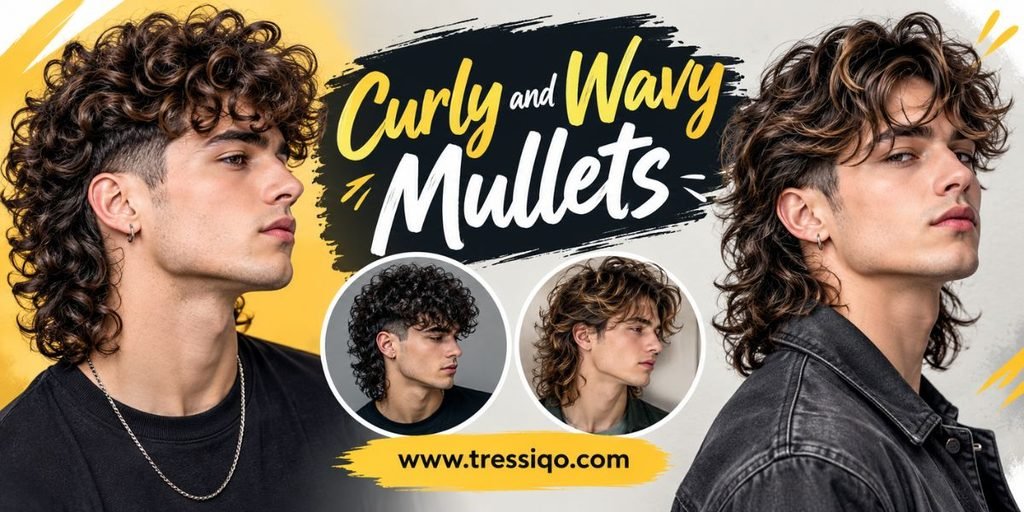
Curl and wave add a natural kind of texture that fade and taper mullets don’t always have. If your hair already has movement, you can lean into it rather than fighting against it.
Natural Curly Mullet
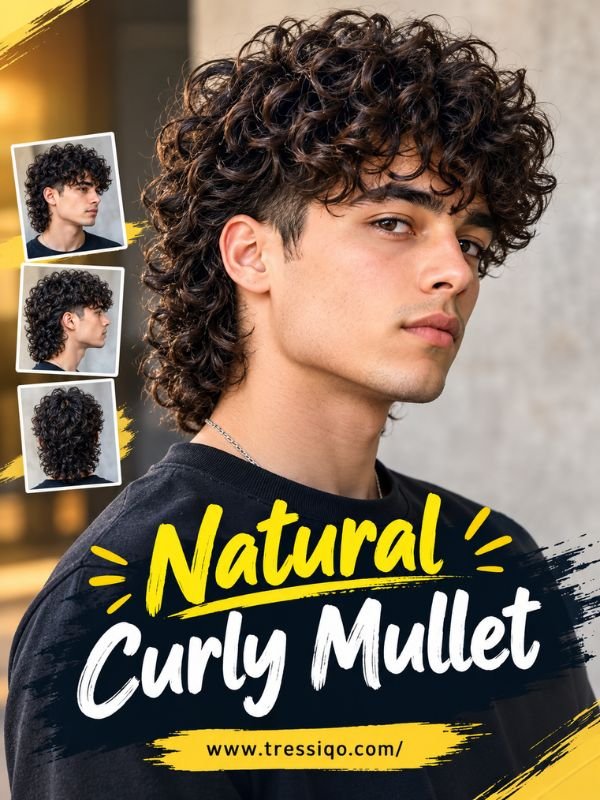
Letting your natural curly mullet pattern do the work keeps styling low effort. The mullet shape adds structure to curls that might otherwise look shapeless, especially once the sides are cleaned up a bit.
Wavy Mullet
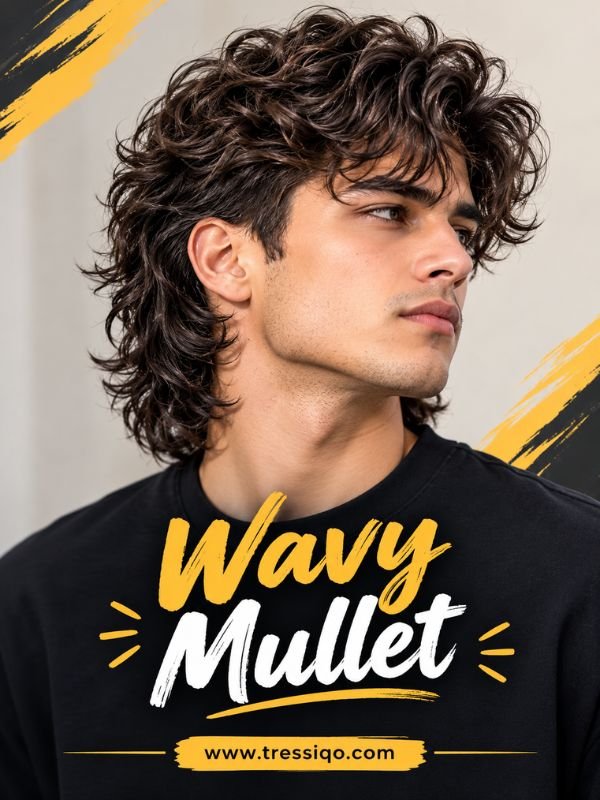
A wavy mullet sits somewhere between straight and curly, giving you soft movement without full ringlets. It’s one of the easier textures to style, usually needing nothing more than a light cream or paste.
Permed Mullet
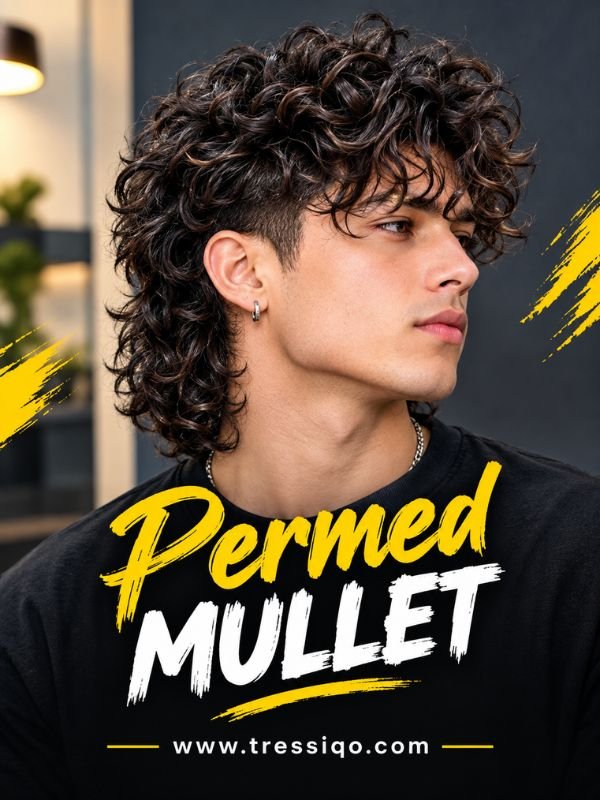
If your hair is naturally straight but you want that curly mullet texture, a permed mullet can get you there. It adds volume and curl pattern that lasts for months with the right aftercare.
Shag and Wolf-Inspired Mullets
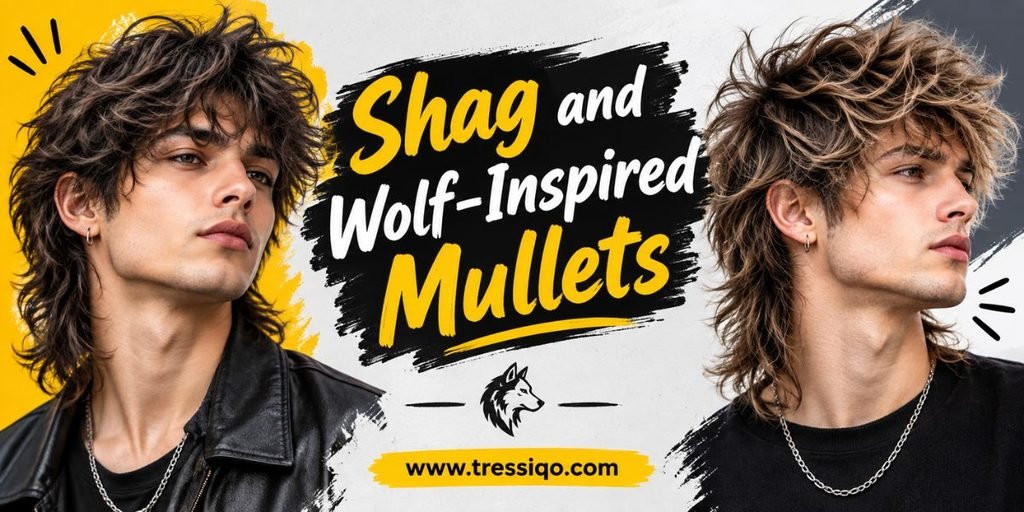
Shags and mullets have been blending together for a while now, and the results tend to be some of the most popular modern cuts around.
Shaggy Mullet
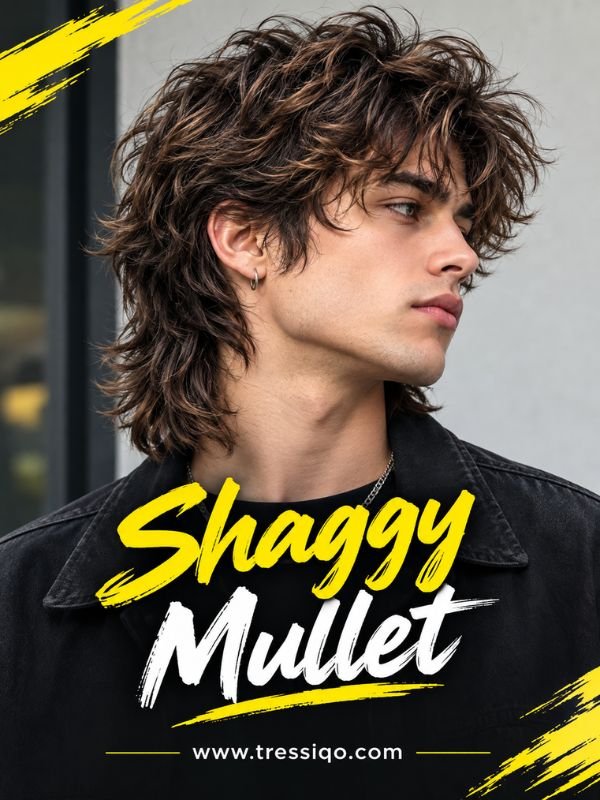
The shaggy mullet combines heavy layering with a slightly grown-out look. It’s deliberately imperfect, and that’s the whole point. This style thrives on second or third-day hair rather than a fresh cut.
Wolf Cut Mullet
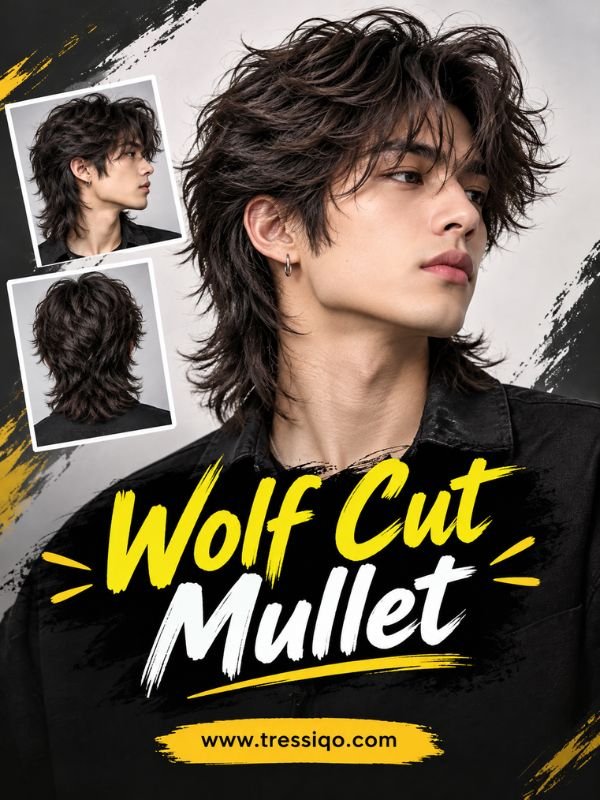
The wolf cut mullet is essentially a mullet-shag hybrid with tons of layers and volume at the crown. It exploded on social media for good reason. It’s textured, low maintenance, and suits a wide range of hair types.
Soft Shag Mullet
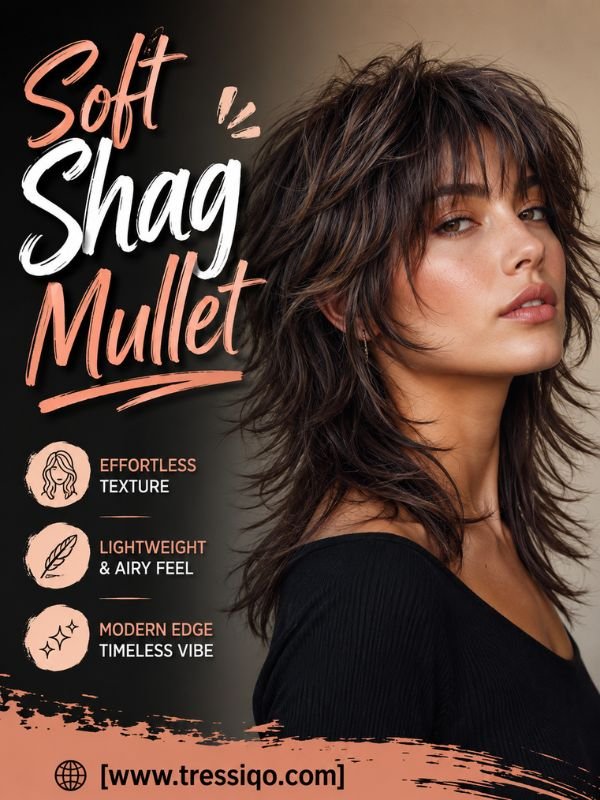
This is a gentler take on the shag, with less aggressive layering and a smoother overall silhouette. It’s a good middle ground if you want mullet energy without going full wolf cut.
Short Modern Mullet Styles
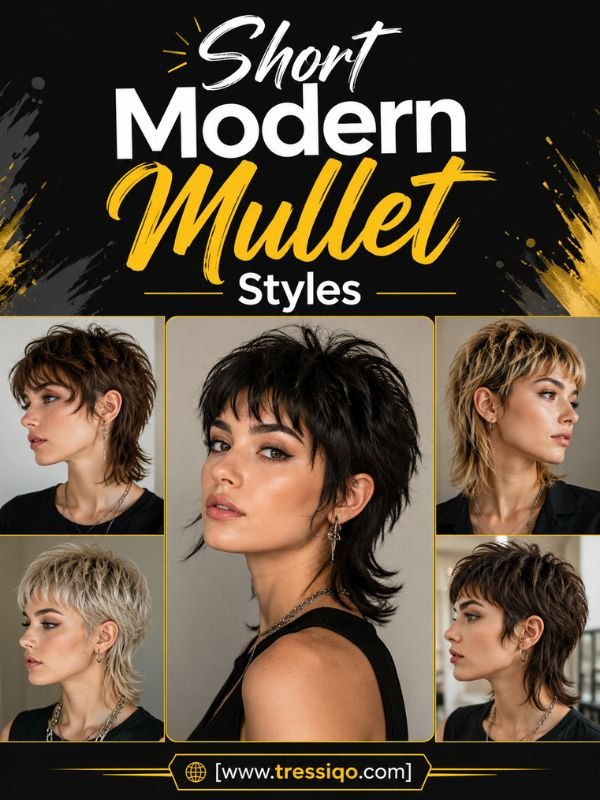
Not ready to commit to serious length in the back? A short mullet still gives you the silhouette without requiring months of growing out.
Short Mullet
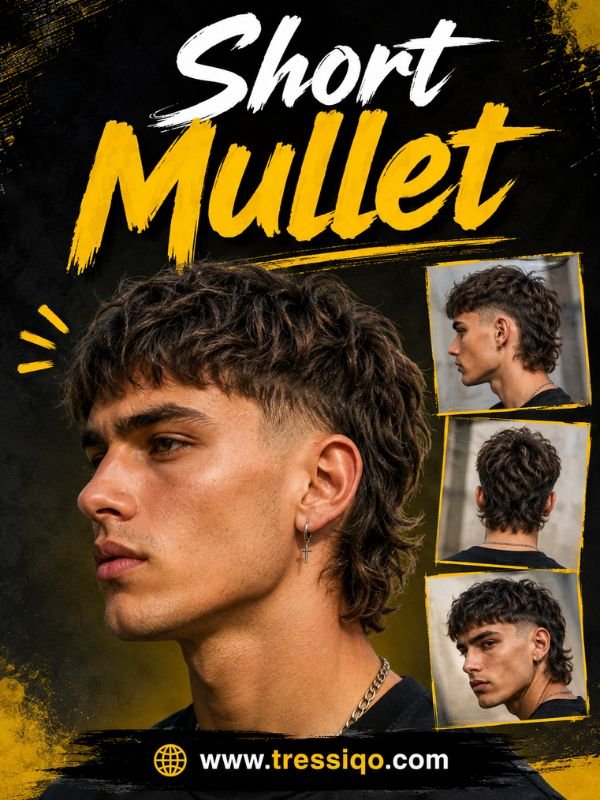
A short mullet keeps the back length minimal, just enough to create the mullet shape without anything too dramatic. It’s a great starter option if you’re testing out the style for the first time.
Mini Mullet
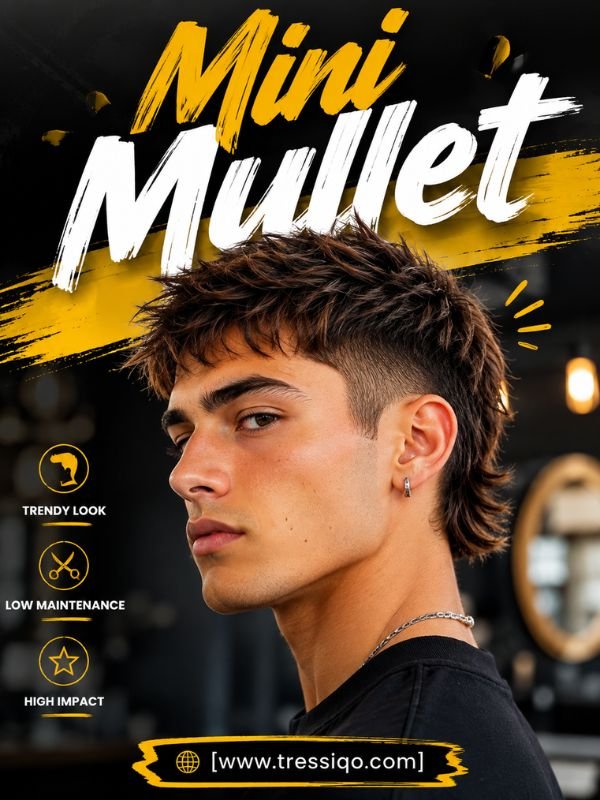
The mini mullet takes things even further, with just a small hint of extra length at the nape. It’s subtle, easy to maintain, and works well for more conservative settings.
Clean Office Mullet
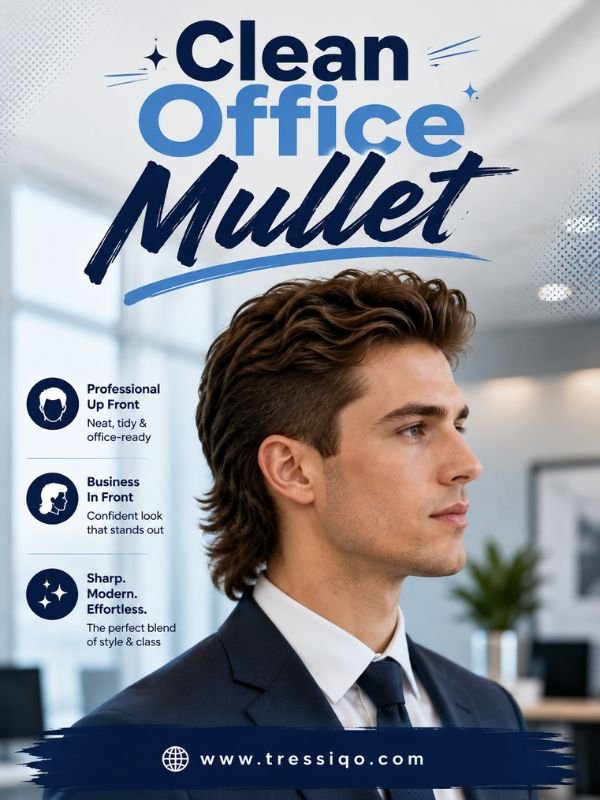
This version keeps everything neat and tapered, with minimal texture and a polished finish. It’s specifically designed to pass as professional while still technically qualifying as a mullet.
Long Mullet Variations
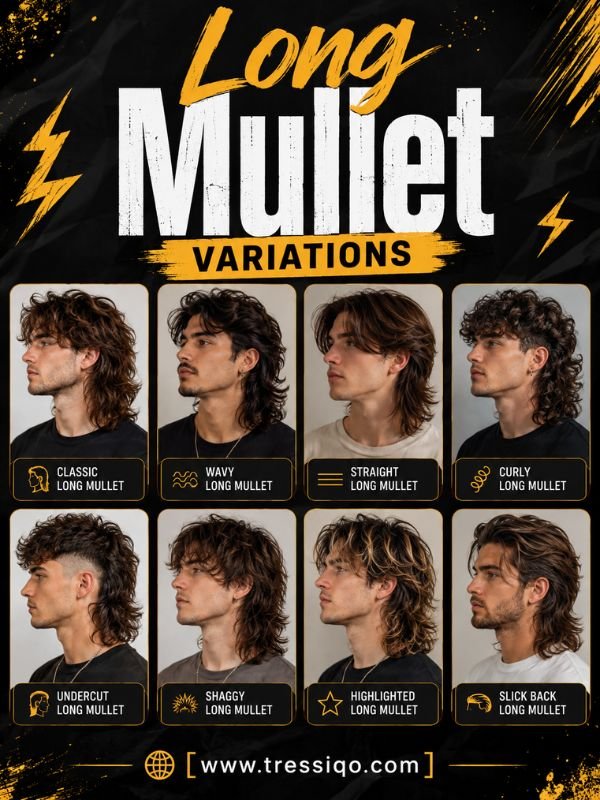
On the opposite end, a long mullet goes all in on the back length, creating serious contrast with the shorter sides.
Long Flow Mullet
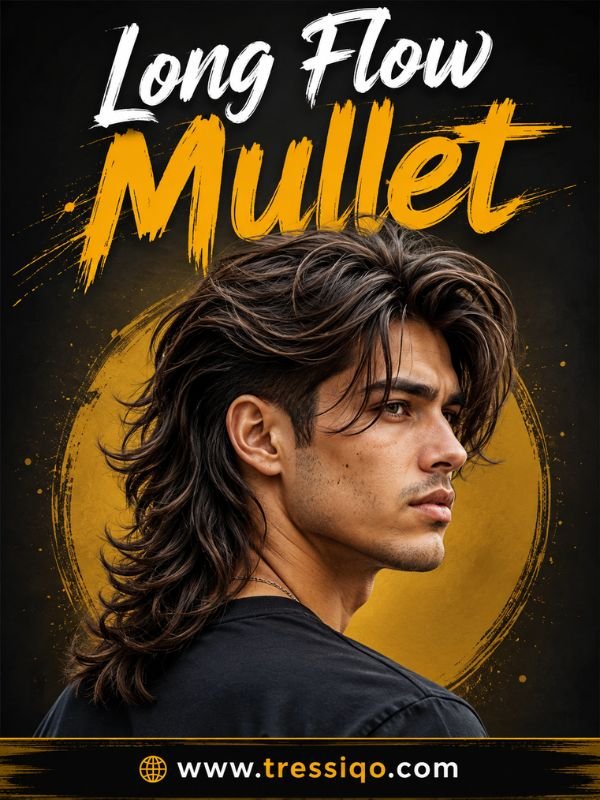
The long flow mullet lets the back grow out significantly, often past the shoulders, while the top and sides stay considerably shorter. It requires patience but delivers maximum drama.
Rockstar Mullet
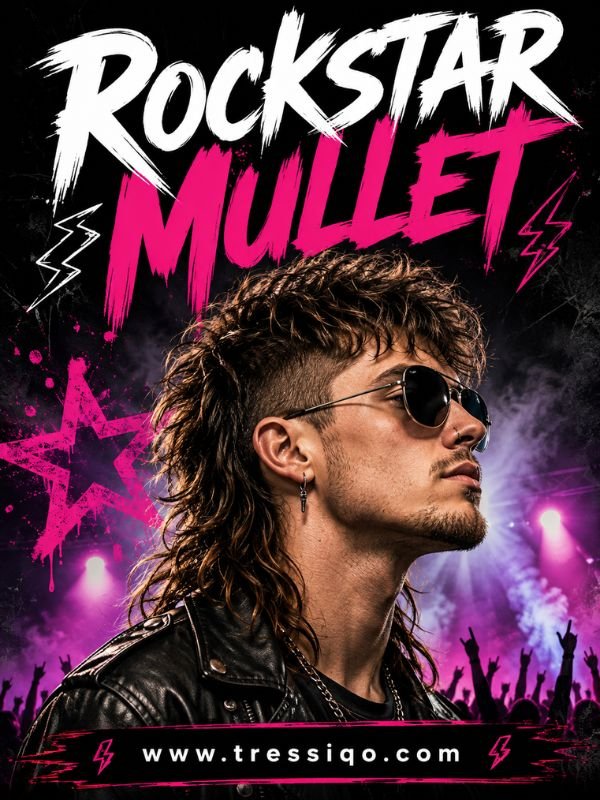
Inspired by decades of musicians who made the cut famous, the rockstar mullet leans into big volume, dramatic length, and often a bit of edge with color or texture.
Surfer Mullet
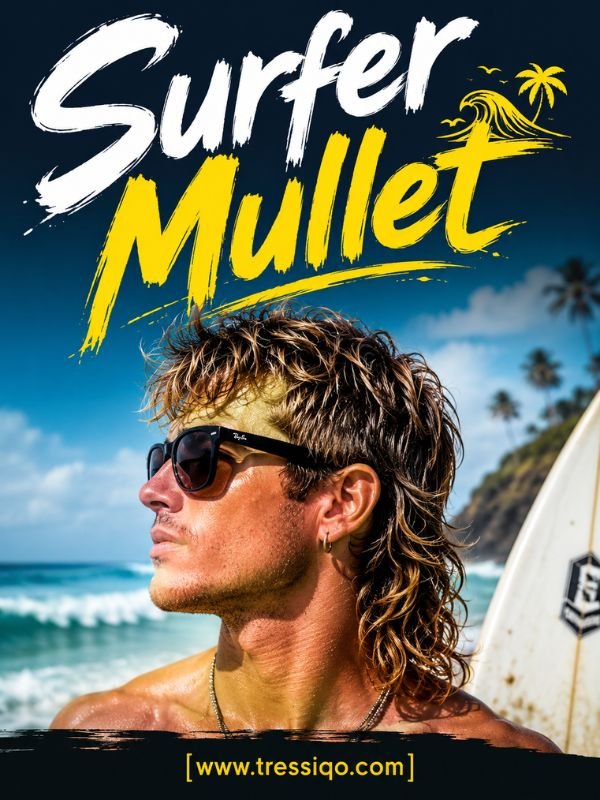
The surfer mullet pairs naturally sun-bleached or beachy texture with longer length in the back. It looks best air-dried and a little salty, which makes it low maintenance by design.
Beach Wave Mullet
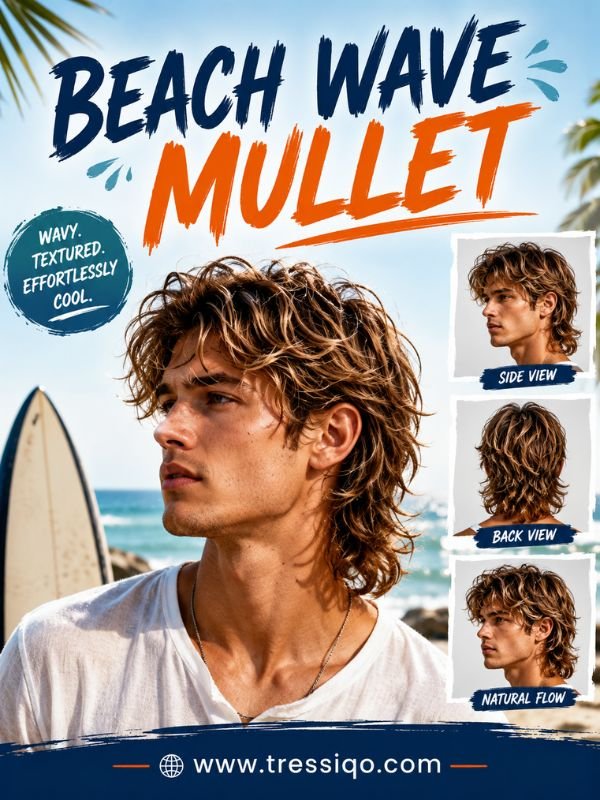
Adding soft waves throughout gives the mullet a relaxed, vacation-ready feel. A texturizing spray helps enhance natural wave patterns without weighing the hair down.
Modern Creative Mullets
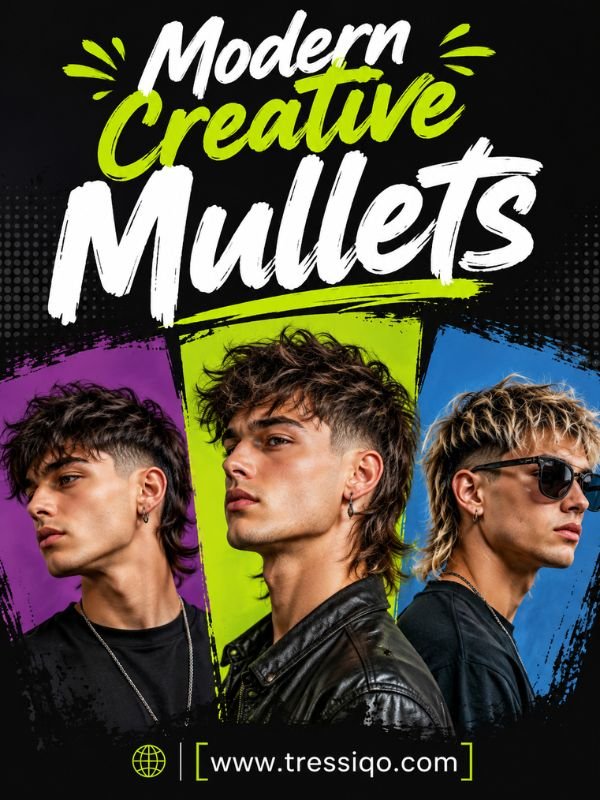
For anyone who wants to push the style further, these creative variations mix the mullet with other trending cuts.
Undercut Mullet
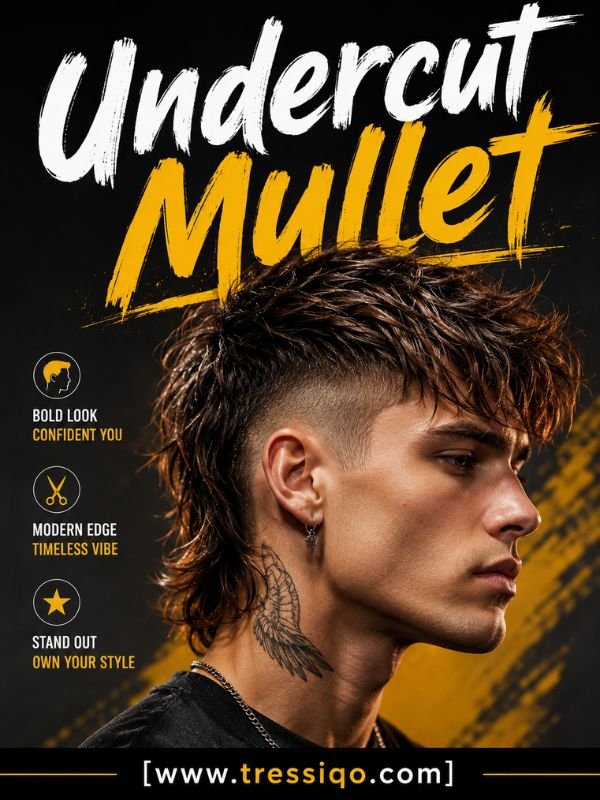
The undercut mullet shaves the sides down dramatically while keeping serious length and volume on top and in the back. It’s one of the more striking combinations you can ask for.
Disconnected Mullet
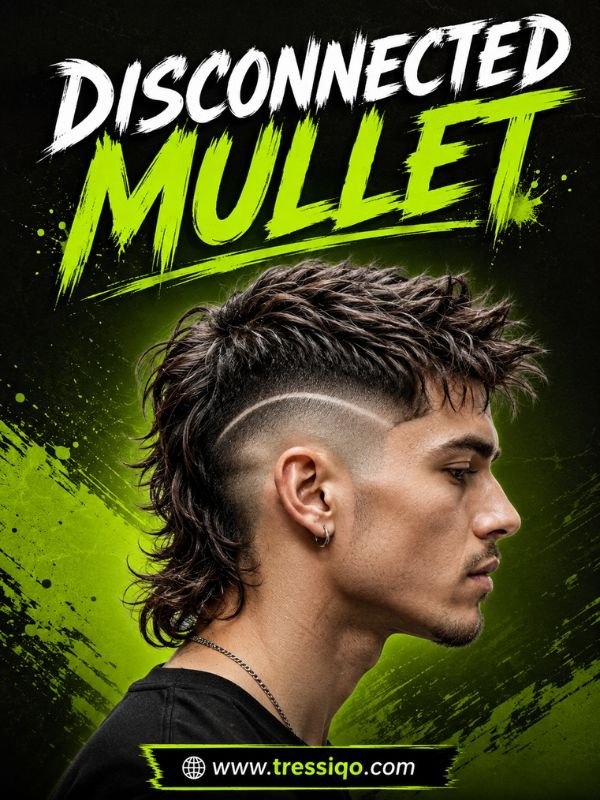
A disconnected mullet creates an intentional break between the short sides and the longer top, rather than blending them together. It gives the style a sharper, more graphic quality.
Modern Punk Mullet
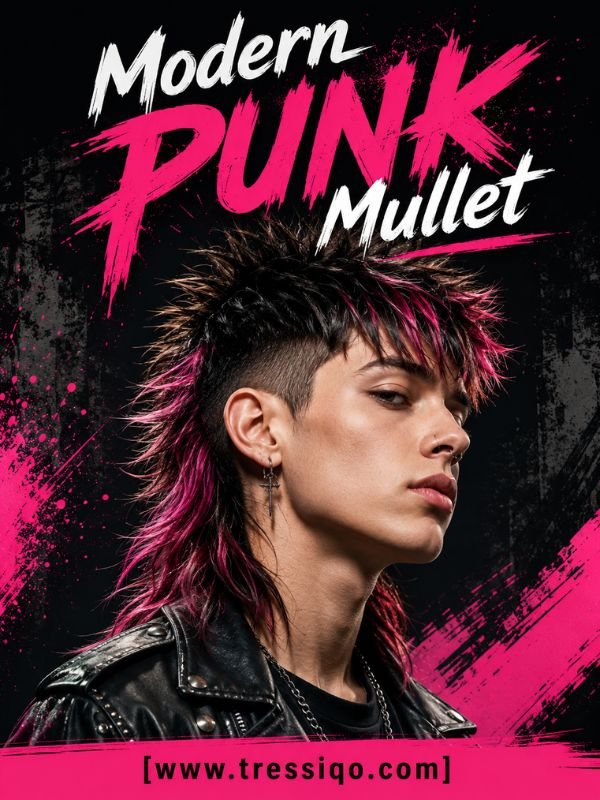
Borrowing from punk aesthetics, this version often includes spiked texture, bold color, or asymmetry layered onto the standard mullet shape.
Mohawk Mullet
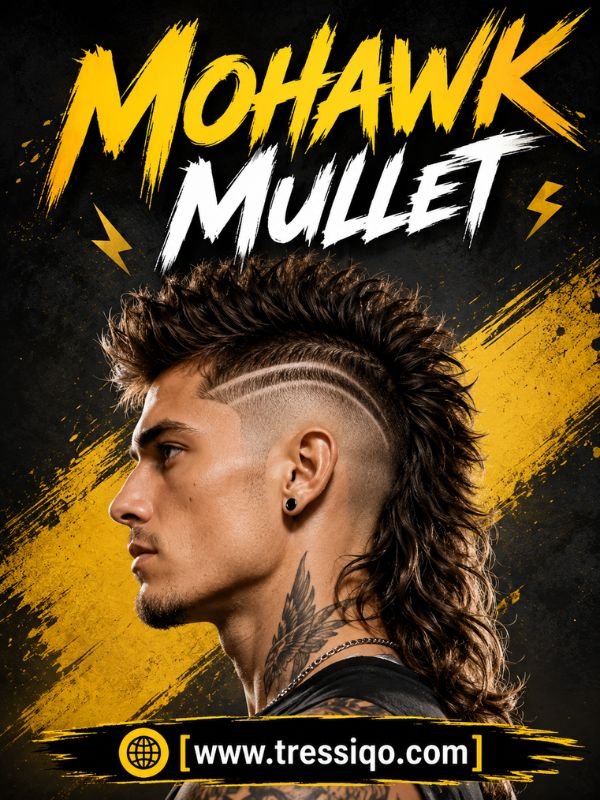
The mohawk mullet combines a mohawk’s shaved sides and raised center strip with a mullet’s extended back length. It’s not subtle, and it’s not meant to be.
Grunge Mullet
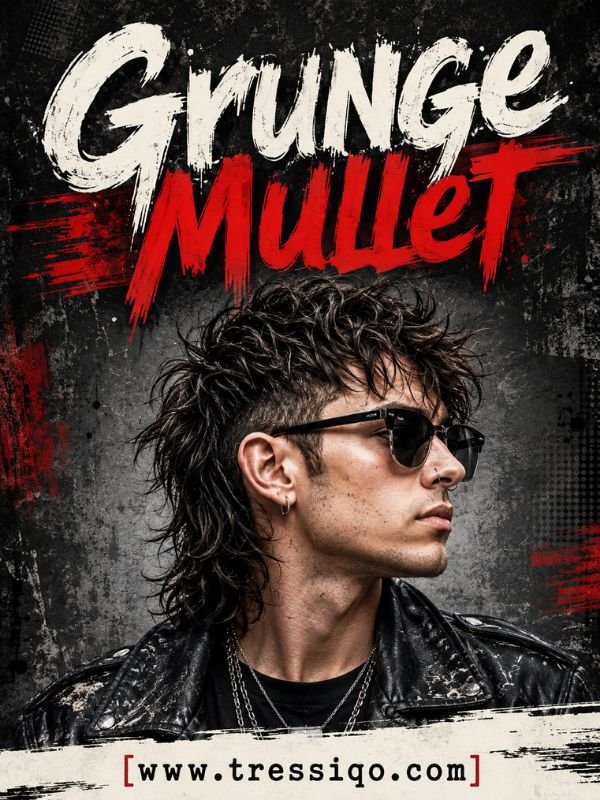
Messy, unkempt, and deliberately undone, the grunge mullet skips the polish in favor of raw texture and natural movement. Minimal product and a bit of tousling is really all it needs.
Spiky Mullet
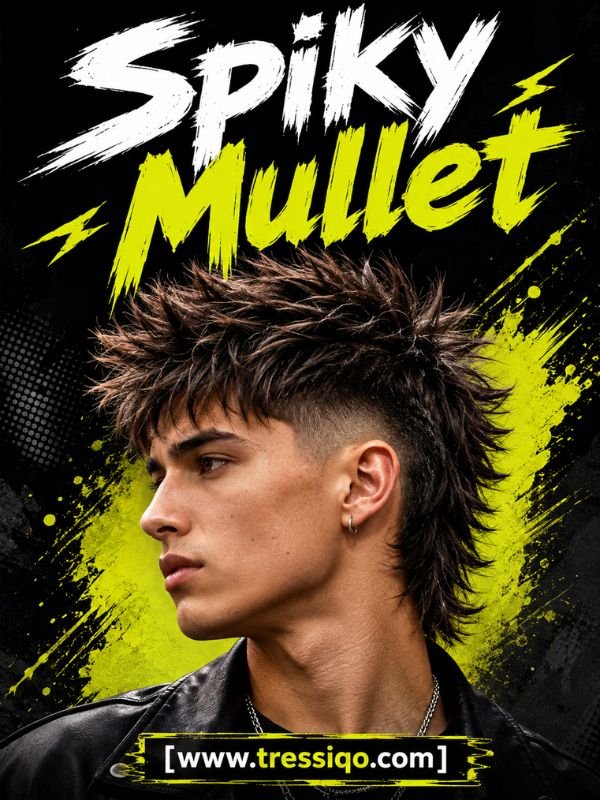
Using a strong-hold gel or wax, the spiky mullet pushes the top section into defined spikes while the back stays long and loose for contrast.
Slicked-Back Mullet
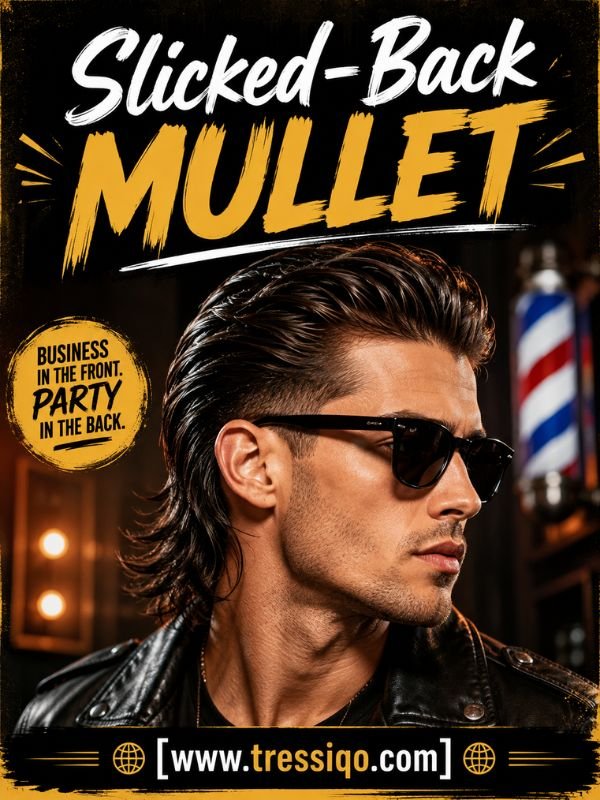
The slicked-back mullet takes the top section and combs it straight back with pomade, creating a sleek, polished front that contrasts with the wilder length behind.
Asian Modern Mullet
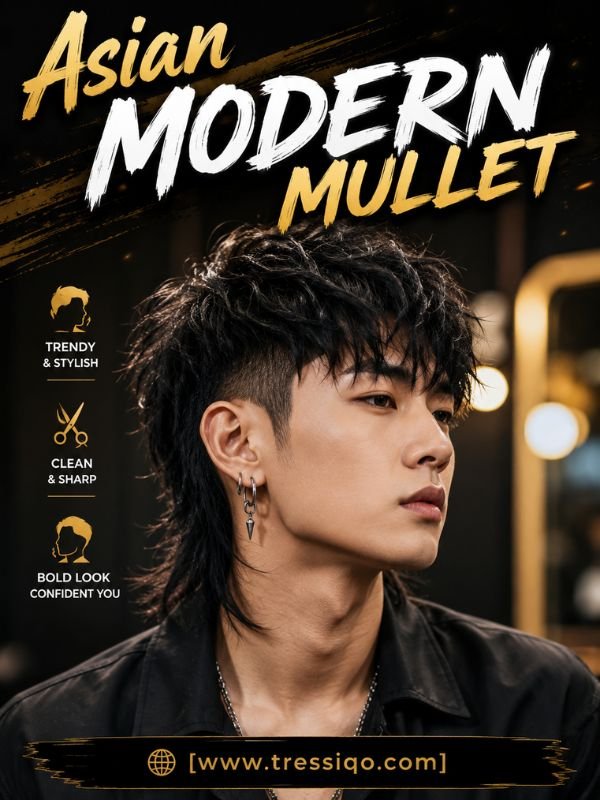
This variation often features straighter hair texture with softer layering and a fringe up front, a look that’s become especially popular across Korean and Japanese men’s grooming trends.
Minimalist Modern Mullet
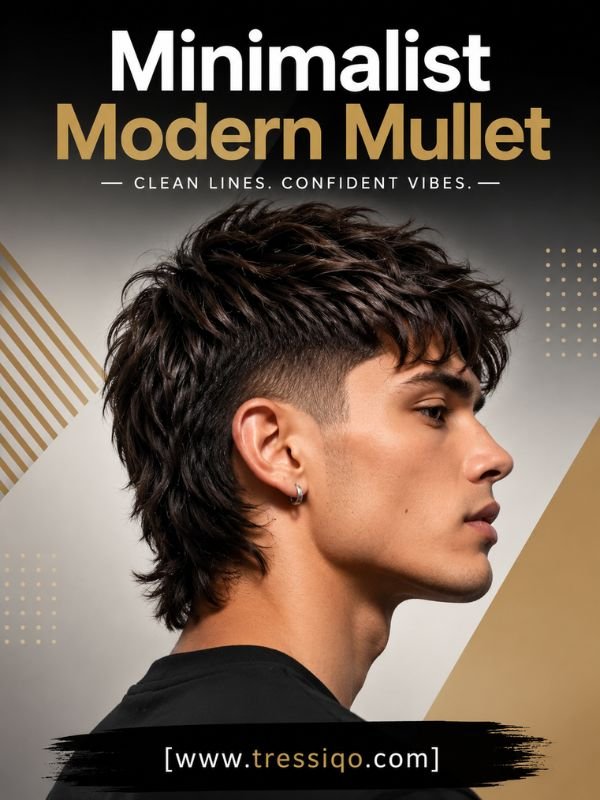
For anyone who wants the shape without much fuss, the minimalist mullet keeps layering light and styling simple. It’s a subtle nod to the trend rather than a full commitment.
Bleached Mullet
Lightening the hair, whether all over or just through the top layers, adds another dimension of contrast to the cut and pairs especially well with choppy or textured styles.
Best Face Shapes for a Modern Mullet
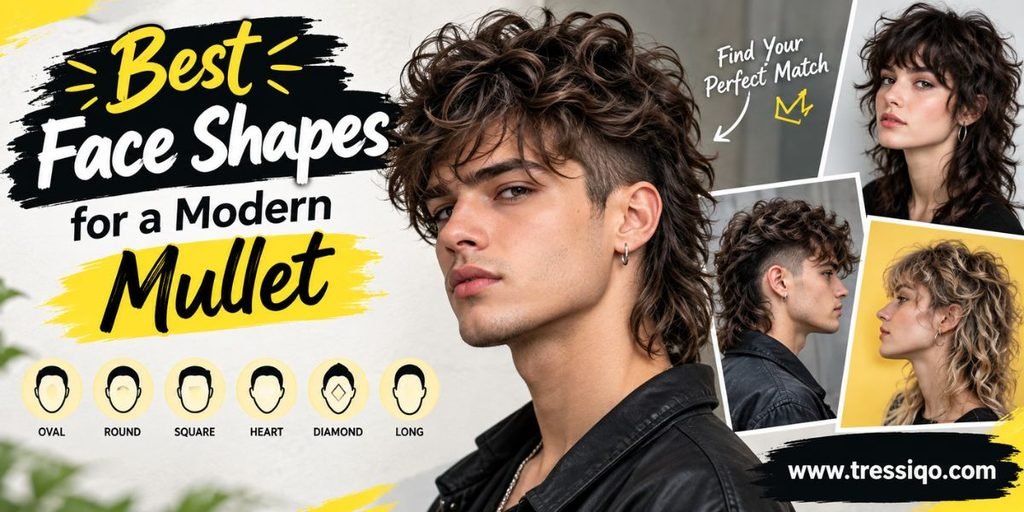
A good face shape haircut should work with your features, not against them. The mullet is flexible, but a few small adjustments can make it more flattering depending on your shape.
Oval Face
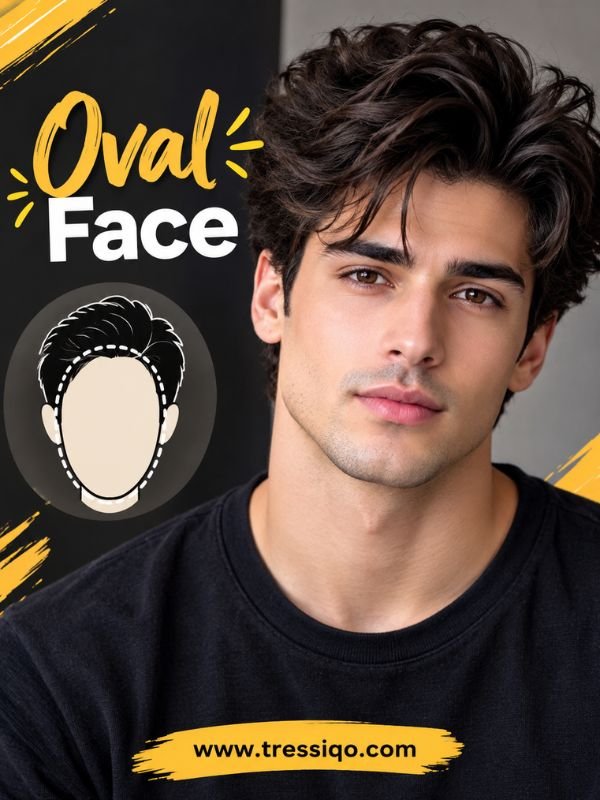
Oval faces can wear almost any mullet variation. An oval face haircut has the most flexibility here, since the balanced proportions work with nearly every fade height and length combination.
Round Face
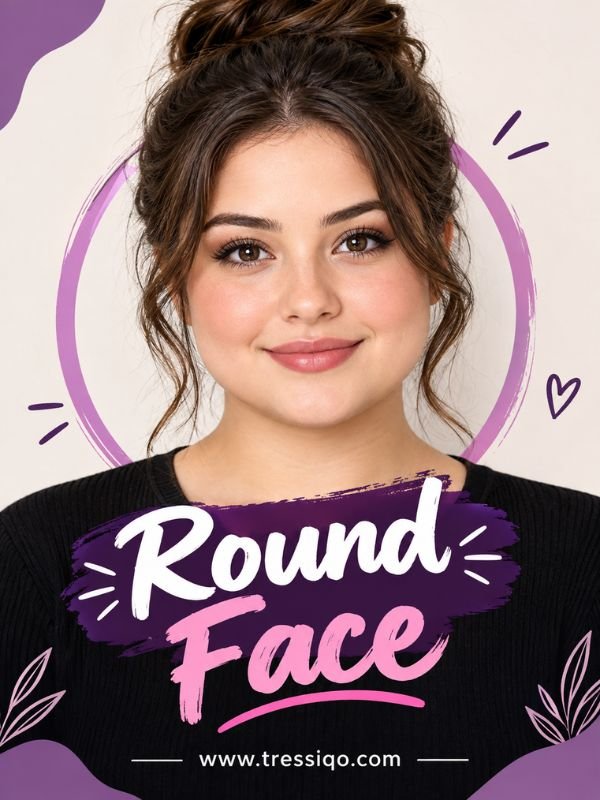
A round face haircut benefits from added height at the crown and shorter sides, which helps elongate the face. Avoid too much width through the sides.
Square Face
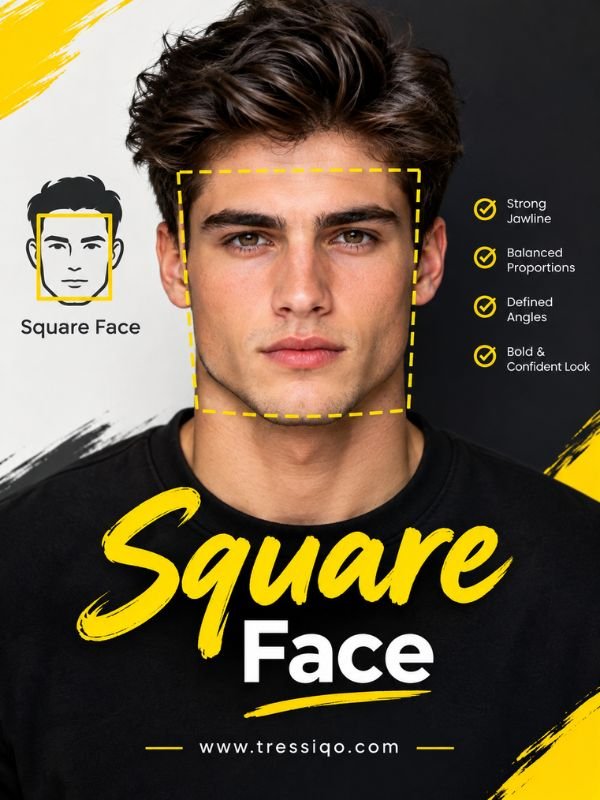
For a square face haircut, softer layering and rounded texture on top help balance out strong jawlines. A slightly longer top also softens the overall angles.
Heart Face
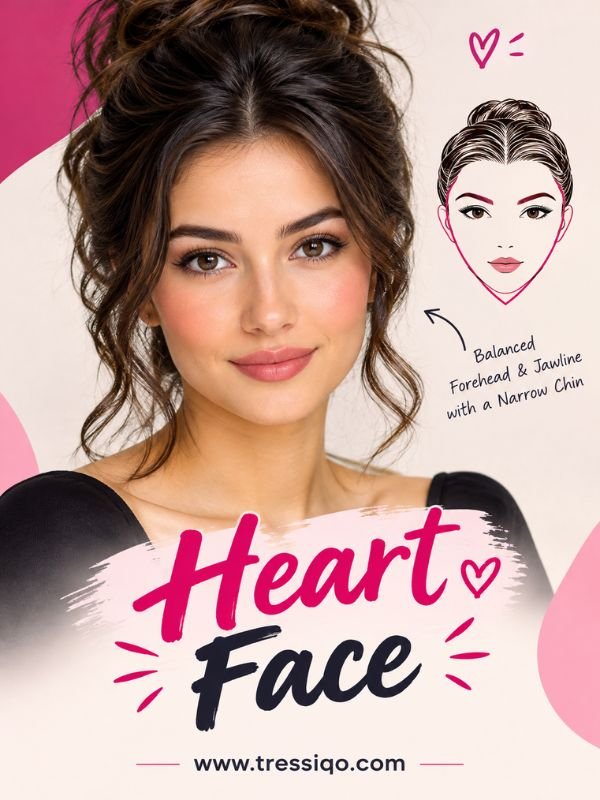
A heart face haircut pairs well with mullets that keep some width at the jawline, since heart-shaped faces tend to narrow toward the chin. Fringe or curtain layers up front can help balance things out.
Why the Modern Mullet Is Trending Again
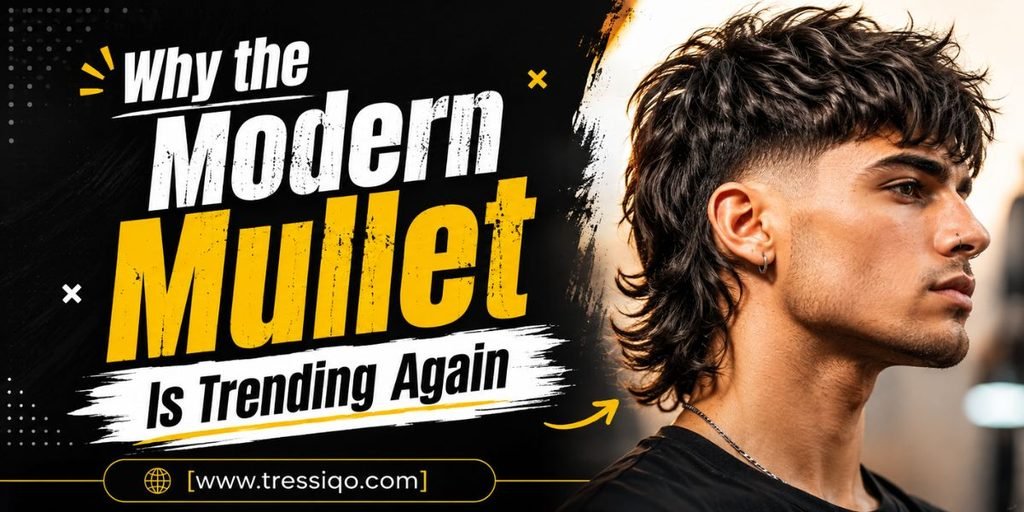
Mullets aren’t just nostalgia anymore. Several factors have pushed this into one of the defining hairstyle trends 2026 has to offer.
Celebrity Influence
High-profile celebrities have brought the celebrity hairstyle back into the mainstream, showing up on red carpets and in music videos with updated, high-fashion takes on the classic cut.
Social Media Trends
Platforms built for short video content have turned the mullet, and especially the wolf cut variation, into something people actively search for and try to recreate at home or in the chair.
Individual Style Expression
The mullet has always been a bit rebellious, and that reputation hasn’t gone away. For a lot of people, choosing this cut is as much about self-expression as it is about the haircut itself.
Versatility
Because there are so many variations, from a subtle taper haircut to a full 80s mullet revival, there’s a version that fits almost any personality or lifestyle.
How to Ask Your Barber for a Modern Mullet
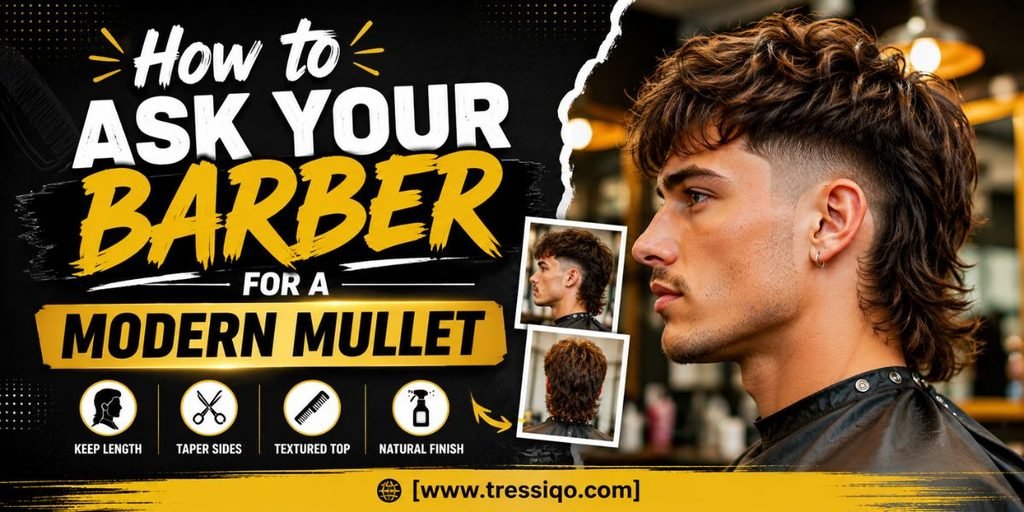
Walking into a barber haircut appointment with the right references makes a huge difference. Bring a couple of photos that show the fade height, length in the back, and texture you want. Be specific about how short you want the sides and how much length to keep, since “mullet” alone can mean very different things depending on who’s cutting it.
It also helps to mention your hair texture, since a curly mullet needs different cutting techniques than straight hair. A good barber will factor that in and adjust the layering accordingly rather than using a one-size-fits-all approach.
How to Style a Modern Mullet
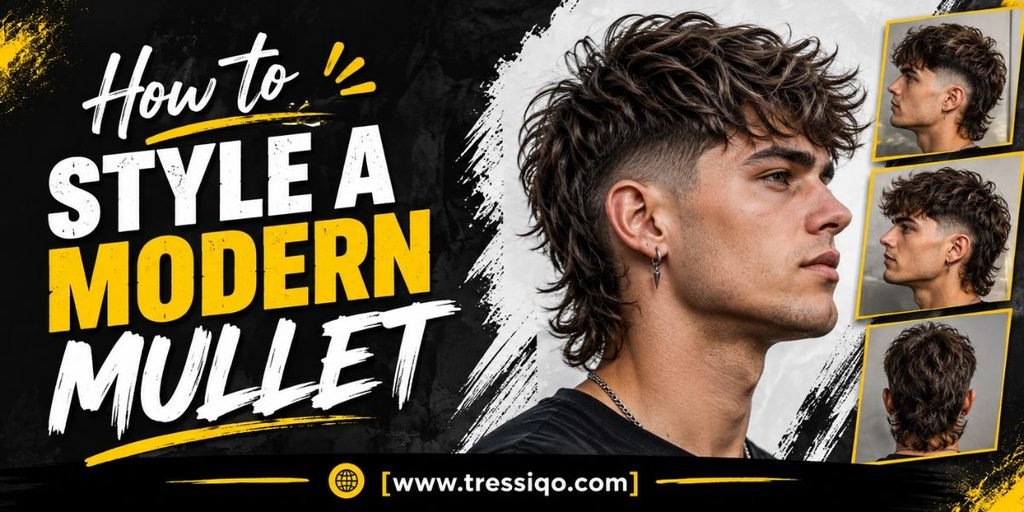
Getting the right finish depends on following a consistent routine, especially in the first few weeks after a fresh cut.
Step 1 – Wash and Towel Dry
Start with clean hair and towel dry until it’s damp rather than soaking wet. Too much water makes styling products harder to work with and can weigh the hair down before you even start.
Step 2 – Blow Dry for Volume
Use a round brush and blow dryer to lift the roots, especially at the crown. This creates the base hair volume that makes the contrast between the top and back really stand out.
Step 3 – Apply Styling Product
A bit of texture clay or pomade goes a long way. Work a small amount through damp or dry hair, focusing on the ends rather than the roots to avoid greasy buildup.
Step 4 – Shape the Layers
Use your fingers to define individual pieces and layers rather than combing everything into one flat shape. A sea salt spray can help add extra grip and texture if your hair is on the finer side.
How to Maintain a Modern Mullet
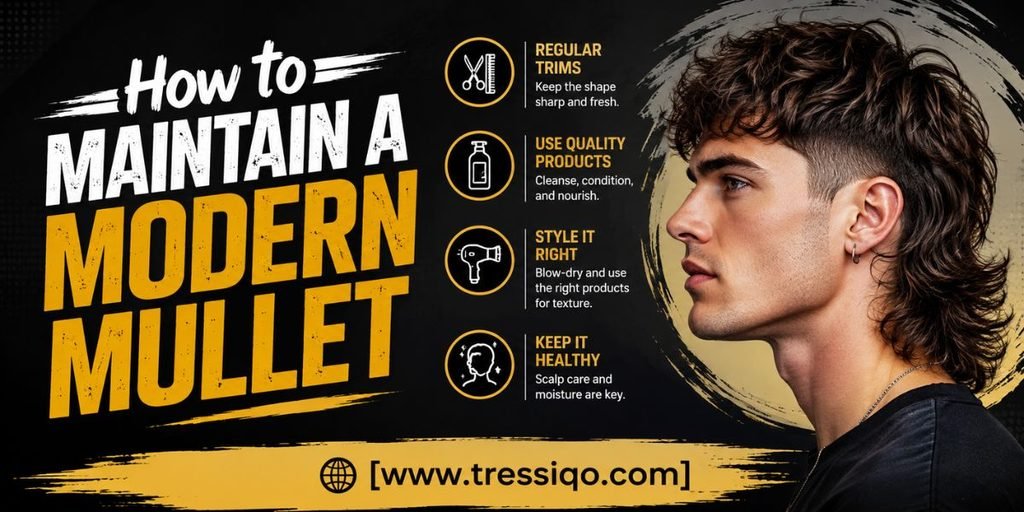
Haircut trims every four to six weeks will keep the sides sharp while letting the back continue growing out. Skipping trims for too long can cause the style to lose its shape, especially around the fade lines.
Between visits, a light styling product and the occasional trim of split ends will keep things looking fresh. If you’ve got color, whether it’s a bold bleach job or subtle highlights, regular conditioning treatments will help maintain the vibrancy and prevent the ends from getting brittle.
Pros and Cons of the Modern Mullet
Pros
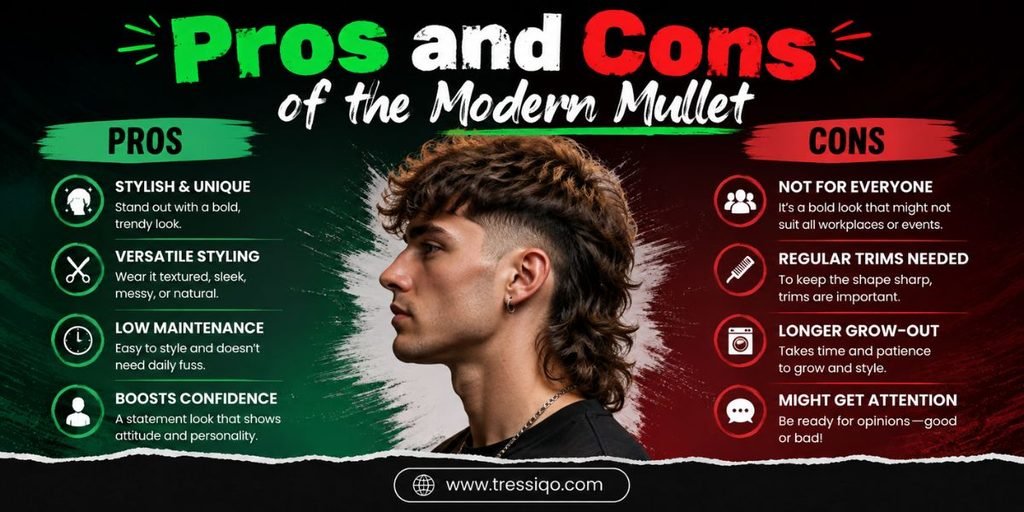
The modern mullet offers a ton of versatility, working for casual and semi-professional settings depending on how it’s cut. It’s also low maintenance once you’ve got a styling routine down, and it stands out in a good way without requiring drastic upkeep between trims.
Cons
Growing out the back section takes patience, and not every workplace loves the look. The style can also look outdated fast if it isn’t paired with modern fading or texture techniques, so the execution really matters here.
FAQs About Modern Mullet
What is a modern mullet haircut?
It’s an updated version of the classic mullet that uses fades, tapers, and layering to create a cleaner, more intentional look while keeping the short-front, long-back silhouette.
Why is the modern mullet haircut so popular today?
A mix of celebrity influence, social media visibility, and the style’s natural versatility has brought it back into the mainstream over the past few years.
What are the most popular modern mullet styles?
The burst fade mullet and wolf cut mullet are currently two of the most requested variations, thanks to their balance of edge and wearability.
How do you style a modern mullet haircut?
Wash and towel dry, blow dry for volume at the roots, apply a texturizing product, then shape the layers by hand for a natural, undone finish.
How often should you trim a modern mullet?
Every four to six weeks is typical, mainly to keep the sides fresh while letting the back continue to grow.
Conclusion
The modern mullet vs classic mullet debate really comes down to execution. Today’s version uses better technique, more intentional texture, and a wider range of variations to suit almost any hair type or face shape. Whether you go bold with a skin fade or keep it subtle with a soft taper, there’s a modern mullet style here worth trying in 2026.

Ethan Vale is a hair care and hairstyle writer with 5 years of experience researching hair trends, styling techniques, and practical hair care tips. He enjoys creating simple, useful guides that help readers discover new hairstyles and maintain healthier-looking hair. His content focuses on clear advice, modern trends, and everyday styling inspiration.